
Last Updated on February 9, 2026 by Sunit. S. Ekka
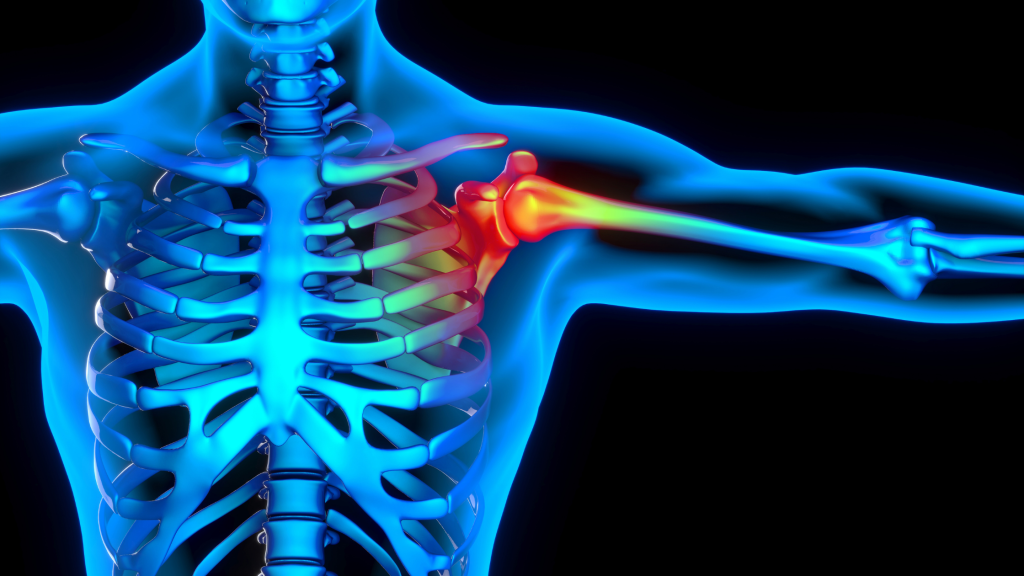
Frozen shoulder is a painful shoulder condition that makes even a simple daily task like combing your hair, putting on and taking off your clothes, challenging. One of the main complaints is night shoulder pain. It is also termed peri-arthritis shoulder and adhesive capsulitis, and it commonly affects females more than males.
In this article, we will try to understand what a frozen shoulder is, why it happens and how your physiotherapist can help you.
Table of Contents
What is a Frozen Shoulder? (Adhesive Capsulitis)
Frozen shoulder (also called adhesive capsulitis) is a condition where your shoulder becomes stiff, painful, and hard to move. It often starts slowly, but over time, it can limit your daily activities like dressing, reaching overhead, or even sleeping comfortably.
The sufferer usually describes constant pain that remains the whole day long as an “electric current” type of painful feeling when trying to move the shoulder or when something hits it.
Shoulder stiffness is a common complaint that results in unbearable pain when putting on and taking off clothes or reaching the back pocket.
What Causes a Frozen Shoulder?
Doctors used to think frozen shoulder was only a shoulder problem, caused by inflammation and scar tissue around the joint capsule. But new research shows it may be more complicated:
- Diabetes & Thyroid issues: People with diabetes or thyroid problems are more likely to get frozen shoulder1 2.
- Stress & Emotions: Anxiety, depression, and stress can increase inflammation in the body, making frozen shoulder worse2. According to the study, during the COVID-19 pandemic, cases of frozen shoulder rose sharply. This could be because of both increased stress and reduced physical activity.
- Lifestyle: Sedentary habits, poor diet, stress, and even lack of sleep contribute to chronic low-grade inflammation. This type of “silent” inflammation weakens the body’s defence barriers, disrupts metabolism, and may set the stage for frozen shoulder.
Lack of exercise could be due to shoulder injuries or immobilisation after the fracture around the shoulder joint (e.g. clavicle fracture, rotator cuff injury, shaft of humerus fracture). - Hidden infections: In some people, tiny bacteria may trigger irritation in the shoulder.
So, frozen shoulder isn’t just about the shoulder—it can be linked to your overall health.
The Underlying Pathology: What Goes Wrong in Your Shoulder
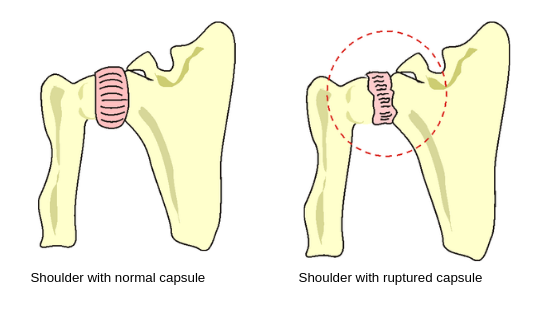
Every joint has a capsule (outer covering) around it. As you can see in the figure, the shoulder joint also has a capsule around it, and in the frozen shoulder, this capsule dries up.
The capsule dries up, shrinks, and adheres to the joint and its surrounding structure. This stiffens the shoulder and produces a great deal of pain when one tries to elevate it.
With time, due to a lack of shoulder movement and pain, the muscles surrounding the shoulder start to become weak.
Frozen Shoulder Symptoms and The 3 Stages
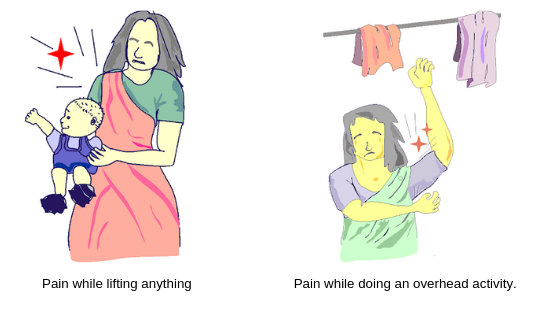
A frozen shoulder is a very painful condition; the usual complaint of the patient is:
- Pain with activities.
- Pain during the night.
- Unable to do overhead activities such as combing and wearing t-shirts due to pain and shoulder restriction.
- Unable to reach the back pocket.
- Weakness in the hand.
- An electric shock-like pain in the hand when the shoulder is hit by something.
- unable to lift the object.
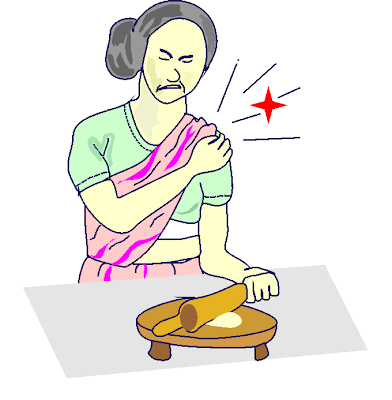
Understanding the 3 Stages of a Frozen Shoulder
Frozen shoulder occurs in three phases: freezing (painful), frozen (adhesive) and thawing, and is often self-limiting.
Stage 1: The Freezing (Painful) Phase
Pain is often most severe during the freezing phase because your immune system floods the shoulder with inflammatory cells, causing severe pain2. This phase can last for 2-9 months1.
- Characterised by pain on the outer side of the upper arm.
- Pain is worse at night.
- The patient can lie on the affected side of the shoulder
- Complaints of pain with activities
- Restriction of shoulder movement begins at this stage.
Stage 2: The Frozen (Adhesive) Phase
In this phase, severe pain begins to subside, but there is a progressive loss of shoulder range of motion. This is because the inflammation leads to scarring and thickening (fibrosis), making the capsule stiff and tight2.
This phase can start in the 4th month and can last up to 12 months.
Stage 3: The Thawing (Recovery) Phase
This is the final phase, the duration of which is 5 to 26 months. In the thawing phase, the inflammation slowly settles down. The patient experiences a gradual return of range of motion.
It is crucial to get the shoulder back to normal as quickly as possible by regaining full movement and strength.
Frozen Shoulder Treatment: How Physiotherapy Helps
Your physiotherapist will thoroughly do the physical examination of your affected shoulder. They will measure the ROM (Range of Motion) of the shoulder. It is the measure of how much the shoulder is moving in every direction or how much the joint is restricted.
Depending on the severity of pain and restriction of movement, they will devise treatment plans and exercises for the same. I have described the process of treatment in a very brief manner.
1. Pain Relief: Interferential Therapy (IFT)
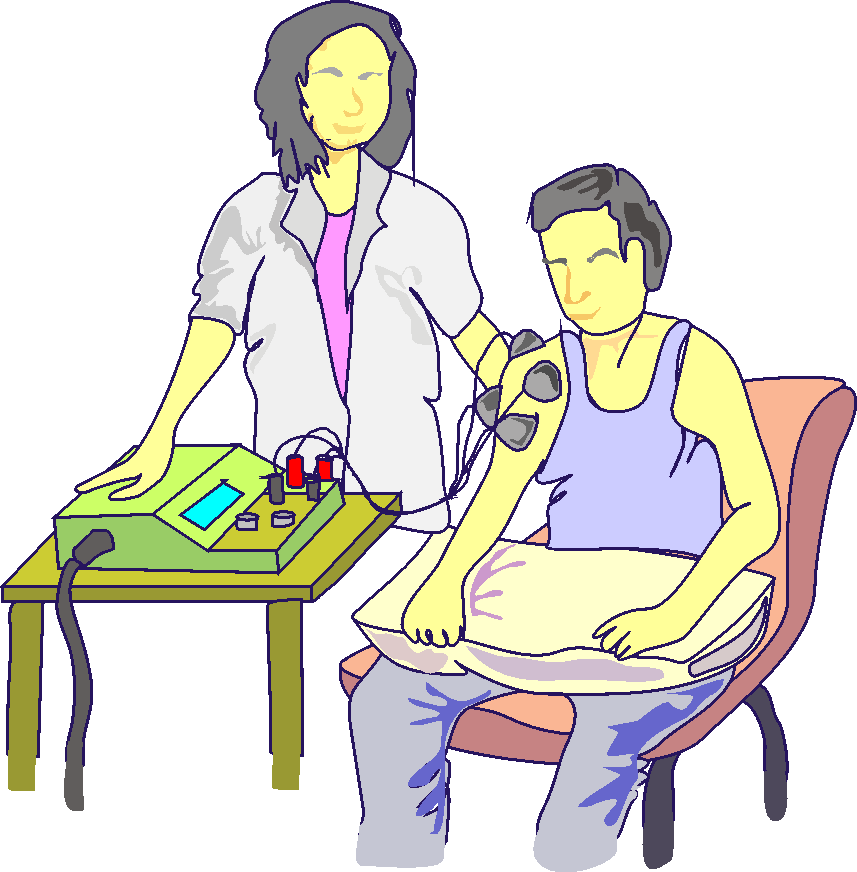
IFT or interferential therapy is a modified electrical stimulation given to muscles and nerves. This is very beneficial for the reduction of pain.
2. Deep Tissue Healing: Ultrasonic Therapy (UST)
Ultrasonic therapy has thermal effects and micro-massage effects of ultrasonic rays emitted by the Ultrasonic Machine relieve pain and relax the tight muscle and contracted capsule.
3. Restoring Movement: Joint Mobilization Techniques
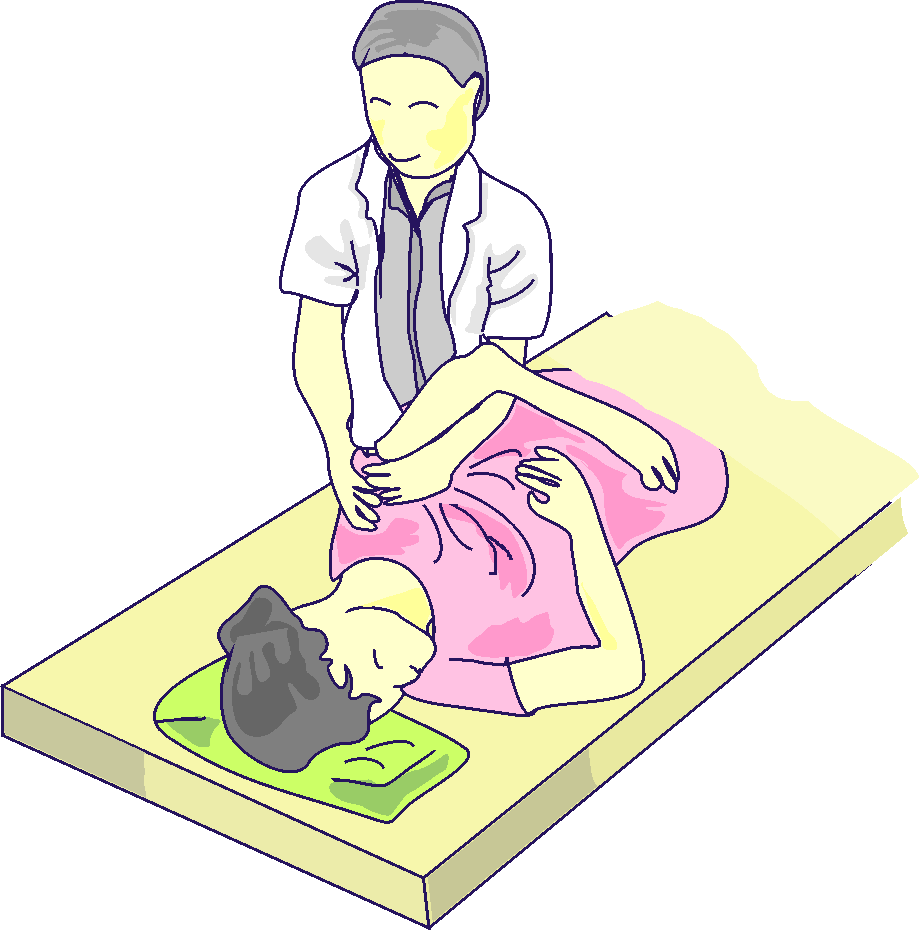
The physiotherapist gently moves the shoulder. It is a special technique that can only be done by a physiotherapist
4. Home Exercise: Rope and Pulley System
Simple rope and pulley arrangements can be done in the home. It can be attached to doors or windows and accordingly used by frozen shoulder sufferers. It is very effective for the flexibility of the shoulder joint.
5. Regaining Range of Motion: The Shoulder Wheel
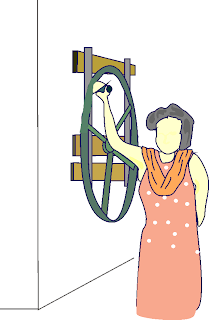
The shoulder wheel is one of my favourite physiotherapy equipment for frozen shoulders. It can be found in any good physiotherapy centre. It is very helpful in gaining the range of motion of the stiff shoulder.
Shoulder home exercise chart PDF
I strongly suggest you to also download shoulder pain home exercise chart with all the exercises on this post and other useful exercises. All these exercises are described in clear picture that anyone can learn and perform.
Frozen Shoulder Exercises and Home Treatment Tips
Frozen shoulder sufferers should note that pain in the shoulder and restriction of movement are interlinked. It means that, to reduce pain in the long term, the restriction of movement has to be addressed.
This can be done by doing shoulder stiffness exercises regularly. Here is a list of links you can visit for exercises.
- 5 frozen shoulder exercises for quick relief.
- Frozen shoulder stretching exercises.
- 4 Easy Shoulder Wand Exercises for Painful, Stiff Shoulder
Exercises are very important; however, you may sometimes develop pain after the exercise session. This is quite normal, and you need not need to worry about it. In addition to this, the injured rotator cuff also needs nourishment.
Let me share some important tips and products that can help you with this.
If you have pain, simply apply a pain ointment over the painful area and let the body absorb it for 10 minutes. After a gap of ten minutes, apply a hot pack over the area, and you will feel almost instant relief.
Here are two nutraceutical products I would highly recommend to you. These are natural products prepared from extracts from plants and herbs and do not have any side effects.
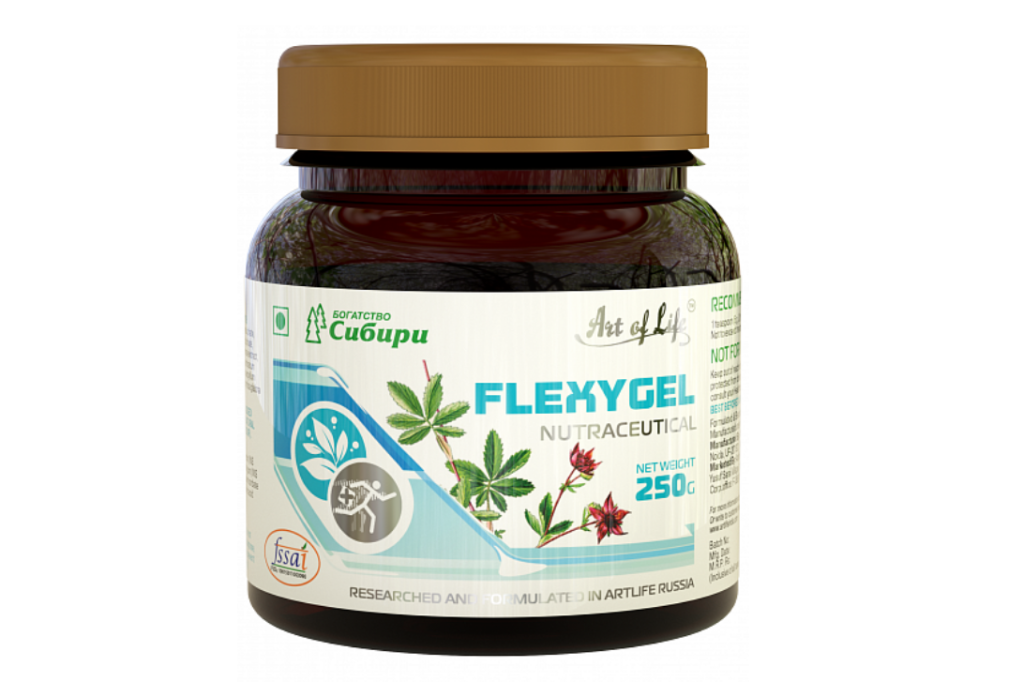
FLEXYGEL
This unique gel, prepared using nanotechnology, works like a wonder. You need to take it twice daily after food. Dosage: Mix one tablespoon of Flexygel with half a glass of warm water and drink it. It is sugar-free, and it’s absolutely safe for diabetics.
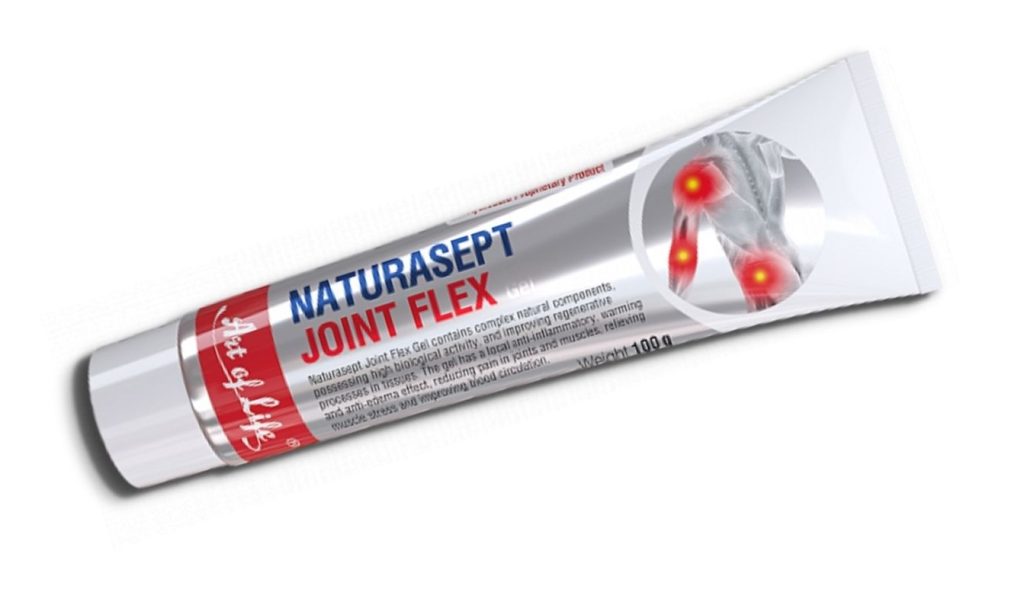
JOINT FLEX OINTMENT
This highly effective pain balm I would like to recommend to you. I often prescribe this to my patients at my clinic. Get this for yourself now.
Lifestyle modification
The study2 suggests moving beyond just stretching and anti-inflammatories.
- The Problem with NSAIDs (e.g., Ibuprofen): The study warns that while they reduce pain short term, they might actually interfere with the body’s natural healing inflammation and could increase the risk of the problem becoming chronic.
- The New Treatment Approach: A Holistic Plan
The goal is to calm the overactive immune and nervous systems.- Physio for the Nervous System: Treatment for adhesive capsulitis shouldn’t just be about stretching the joint. It should include educating the sufferer not to see movement as a threat.
- Lifestyle Medicine is Key:
- Anti-inflammatory Diet: Omega-3s (fish oil), antioxidants, and reducing processed foods can help calm systemic inflammation.
- Gut Health: Fixing “leaky gut” with probiotics can reduce the immune triggers entering your body.
- Stress Management: This is critical. Meditation, mindfulness, and breathing exercises aren’t just “nice to have”—they are essential treatments to lower stress hormones that fuel inflammation.
- Quality Sleep: Poor sleep makes inflammation worse. A quality REM sleep is very important for overall health and for your painful shoulder.

The author is a physiotherapist who has been practising for the last 17 years. He holds a Bachelor's in Physiotherapy (BPT) from SVNIRTAR (Swami Vivekananda National Institute of Rehabilitation and Research), one of the prestigious physiotherapy schools in India.
Whatever he learns dealing with his patient, he shares it with the world through blogs and e-books. He also owns a YouTube channel, "Sunit Physiotherapist" with over 8 lakh active subscribers. Here, he shares everything he gets to learn serving the patient.







Pingback: Best Exercise for Shoulders Related Issues - Physiosunit
Pingback: 5 Frozen Shoulder Exercises for Quick Relief - Physiosunit
Pingback: What's Infrared in Physiotherapy, When & How to Use : Physiosunit
Pingback: Shoulder pain at night: Tips that actually work : Physiosunit
Thnx
Atmosphere and environment of classroom is very important tool to enhance the students learning. Furniture in the classroom should be comfortable and it should look nice so that students pay their full attention on studies and ukessayservice.biz here is there to help.
Hi Max,
Yes you are absolutely true. women here have to work hard and in turn some of them suffer from frozen shoulder. But there is also a scientific fact that females are more pron to frozen shoulder than male. if we believe scientific data, than female is to male ratio is 3:1.
It is true that most of the time, the women of Asia specially are suffering from that problem because they live a very hard life as doing something all the day for the family and in the end have to get the services of physiotherapist to get rid of pains and inflammation.
Thanks Max
Amazing post.