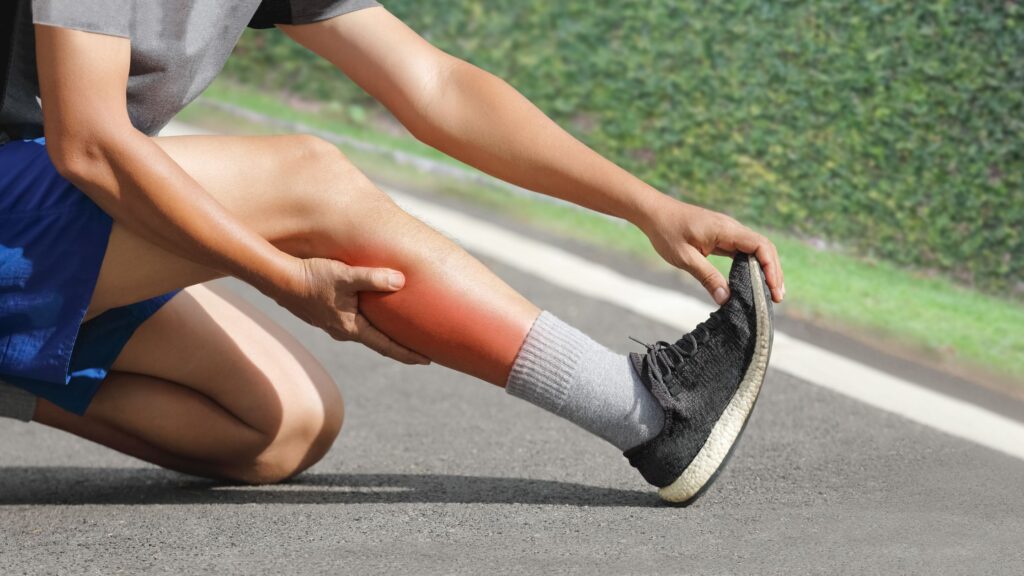
Heat cramps are very common during summer in our physiotherapy clinic. Muscle cramps occur due to excessive heat, especially during summer, which causes our bodies to lose excessive water and electrolytes.
Fortunately, by following simple tips, you can prevent muscle cramps. This post also covers tips for curing cramps when they occur.
Understanding heat cramps: what the research actually says
Heat cramps can be very painful and uncomfortable. They occur when a muscle suddenly and involuntarily contracts, causing pain and discomfort. Heat cramps are different from nocturnal muscle cramps, which occur at night.
One of the common reason for heat cramps is explained by “dehydration and electrolyte depletion” theory. According to this there is loss of body fluid and electrolyte such as sodium, potassium, and magnesium due to heavy sweating. This imbalance disrupts the electrical signals that control muscle contraction, triggering a cramp.
This is still the most common explanation given to patients. But sports-medicine research over the past 15 years has found an another cause of heat cramps in athletes and sports person. Several studies conducted on the endurance athletes found no consistent link between blood electrolyte levels, hydration status, and who actually develops cramps.
The researchers to propose an “altered neuromuscular control” theory instead. According to this theory, the cramp is driven more by localised muscle fatigue and abnormal nerve signalling than by fluid or mineral loss alone1. This overlaps with the mechanisms behind ordinary muscle twitching, which is also commonly linked to fatigue and nerve signal disruption rather than cramping alone.
However, another research describes the causes of heat and exercise-associated cramps as multifactorial. According to this, fatigue in muscles causes changes in nerve-to-muscle signalling, dehydration, and electrolyte loss leading to heat muscle cramps2.
What does this mean in practice?
Even though scientists are still debating the exact mechanism, heat exposure, heavy sweating, and exertion remain the most consistent real-world triggers for this type of cramp. Staying ahead of fluid and electrolyte losses is still a reasonable, evidence-informed part of prevention and treatment — the tips below still apply.
Heat cramps commonly affect:
- Legs: Calves (muscle on back of lower leg), hamstrings (muscle on back of thigh), quadriceps (muscle on front of thigh)
- Core: Abdominal muscles, back muscles
- Arms: Biceps, triceps
How to prevent heat cramps
Muscle cramps can be quite painful when your muscles involuntarily contract and don’t relax. While they can happen anytime, they are especially common during intense exercise or physical activity. However, there are some steps you can take to prevent muscle cramps from occurring.
1) Drink plenty of water.
One of the most important things to remember is hydration. It’s essential to drink plenty of water throughout the day, even if you don’t feel thirsty. Dehydration can cause muscle cramps, so it’s crucial to stay ahead of it. A good rule of thumb is to drink at least 8 glasses of water daily.
2) Replenish electrolytes
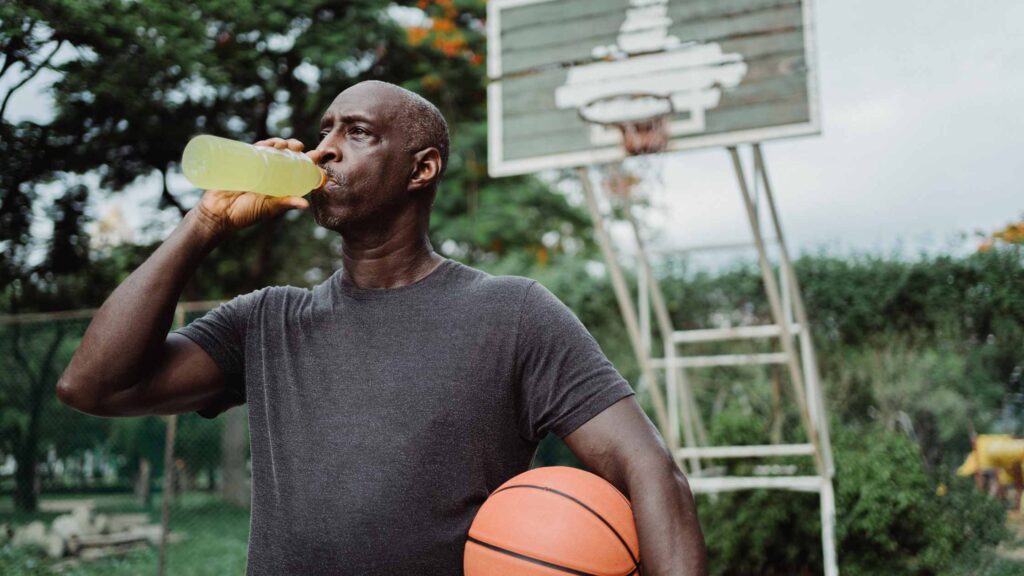
Besides water, consider replenishing your body’s electrolytes. Electrolytes are sodium, potassium, and magnesium minerals your body needs to function correctly. When you sweat, you lose electrolytes, so it’s essential to replenish them to prevent muscle cramps. Sports drinks, coconut water, or fruit juices are great options for replenishing electrolytes alongside water.
3) Listen to your body
Listening to your body is also vital. Don’t push yourself too hard, especially in the heat. Take rest breaks when necessary and listen to your body’s thirst cues. Stretching before and after exercise is crucial to prevent muscle cramps.
Lastly, including fruits like watermelon, vegetables, and coconut water in your diet can help boost your body’s natural electrolyte levels. These foods are rich in essential minerals and can help prevent muscle cramps while providing other health benefits as well.
Treating heat cramps
Muscle cramps can affect the hamstring, biceps, triceps, and abdominal muscles. However, they most commonly affect the calf muscle. Fortunately, there are several ways to treat them. Here, I am explaining the ways to treat cramps in the calf muscle; however, these principles apply to all the other muscles affected by heat cramps.
1) Rest and stretch
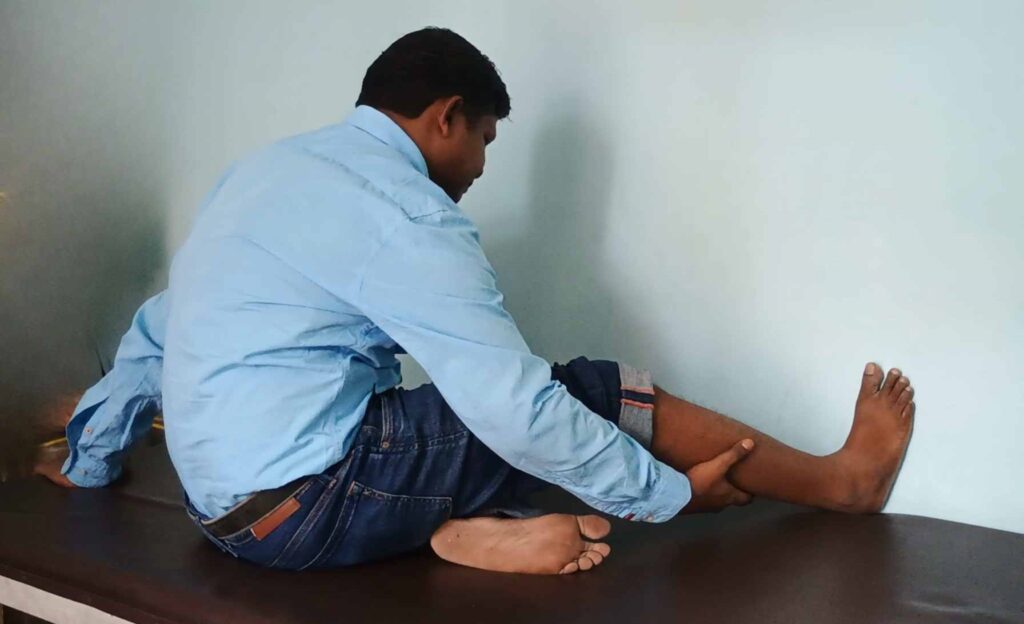
Firstly, when a cramp strikes, it is essential to stop any activity immediately and gently massage the cramped muscle. This can help to relax the muscles and alleviate the pain. Stretching the affected muscle can also provide relief.
You can try simple stretches, such as pulling your toes towards you if the cramp is in your calf. Another way of gentle stretching is simply to place your foot against something stable, like the foot supported against the wall in the picture.
2) Walk it out
Another way to alleviate muscle cramps is to walk it out. Light walking can help to stretch and massage the cramped muscles, promoting relaxation. This technique is beneficial if the cramp is in your calf or hamstring.
3) Rehydrate and Replenish
After the cramp subsides, it is essential to rehydrate and replenish your body. Drink fluids, electrolyte-rich drinks to replenish lost electrolytes.
Electrolytes contains minerals such as sodium, potassium, and magnesium essential for proper muscle function. You can find electrolyte-rich drinks in most grocery stores or make your own by adding a pinch of salt and a squeeze of lemon to your water.
This approach is backed by research: one study found that drinking plain water alone after heat-induced dehydration actually made muscles more prone to cramping, while a sodium- and potassium-containing rehydration solution reversed that effect3.
4) Bonus tips
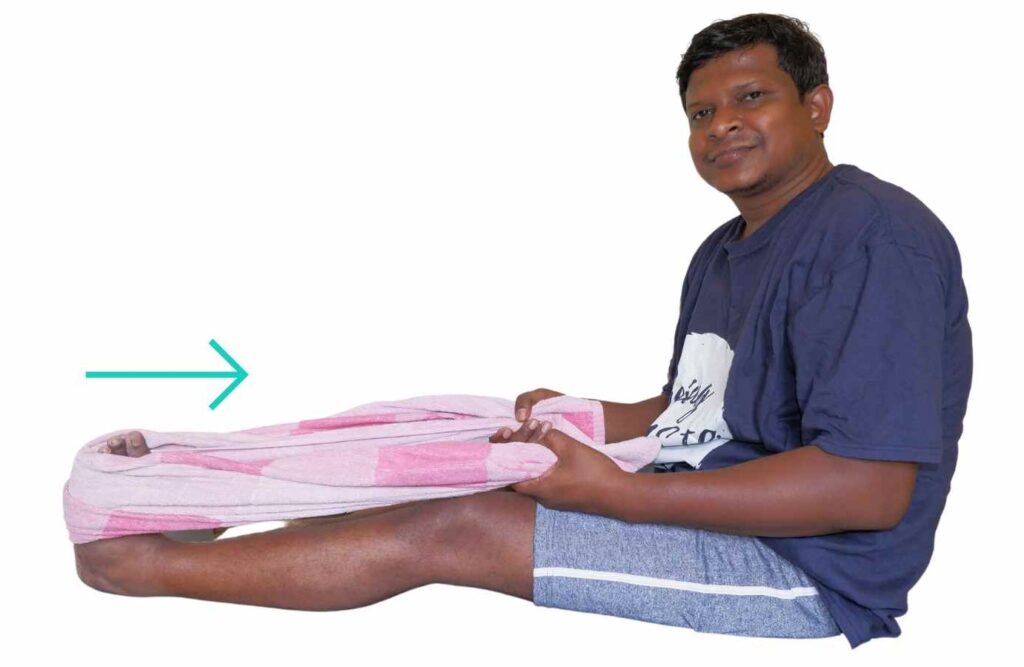
If you are frequently experiencing cramps, then a good habit to develop is to stretch your calf muscles regularly. One easy and efficient way to do this is to:
- Sit down, take a towel, and wrap it around your foot, holding one end in each hand.
- Then, slowly and gently pull the towel towards you while keeping your leg straight and your heel on the ground.
- You should feel a stretch in your calf muscle.
- Hold the towel for about 20-30 seconds, then release and repeat the movement a few more times. This simple exercise can help prevent future cramps and keep your leg muscles flexible and healthy.
When to see a doctor
Following these tips, you can enjoy your summer activities without worrying about muscle cramps. Remember to stay hydrated, replenish electrolytes, listen to your body, and stretch regularly.
Enjoy the sunshine, stay cool, and cramp-free!
Keep Reading: 4 Tips for Faster Muscle Recovery After Workout

The author is a physiotherapist who has been practising for the last 17 years. He holds a Bachelor's in Physiotherapy (BPT) from SVNIRTAR (Swami Vivekananda National Institute of Rehabilitation and Research), one of the prestigious physiotherapy schools in India.
Whatever he learns dealing with his patient, he shares it with the world through blogs and e-books. He also owns a YouTube channel, "Sunit Physiotherapist" with over 8 lakh active subscribers. Here, he shares everything he gets to learn serving the patient.