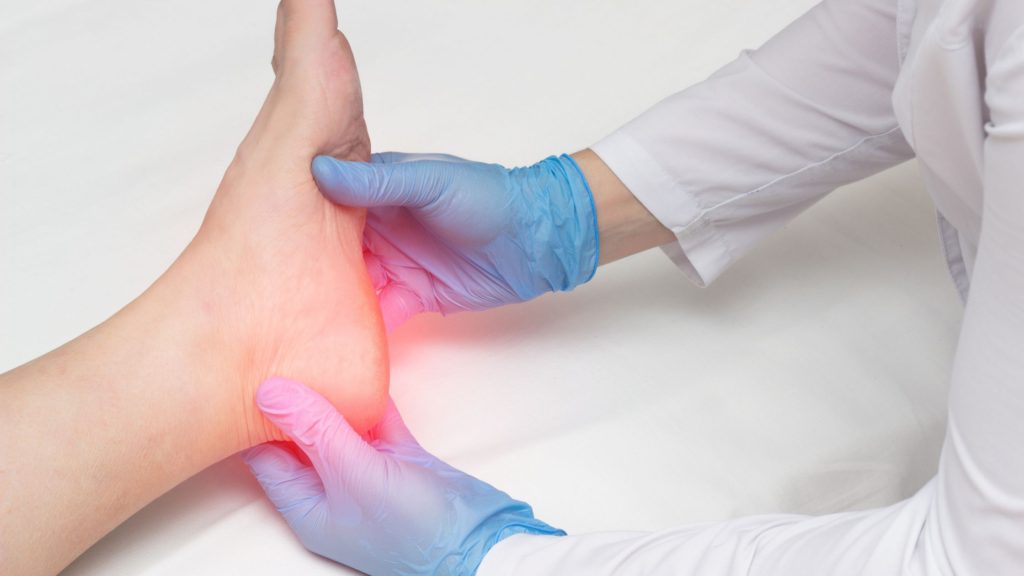
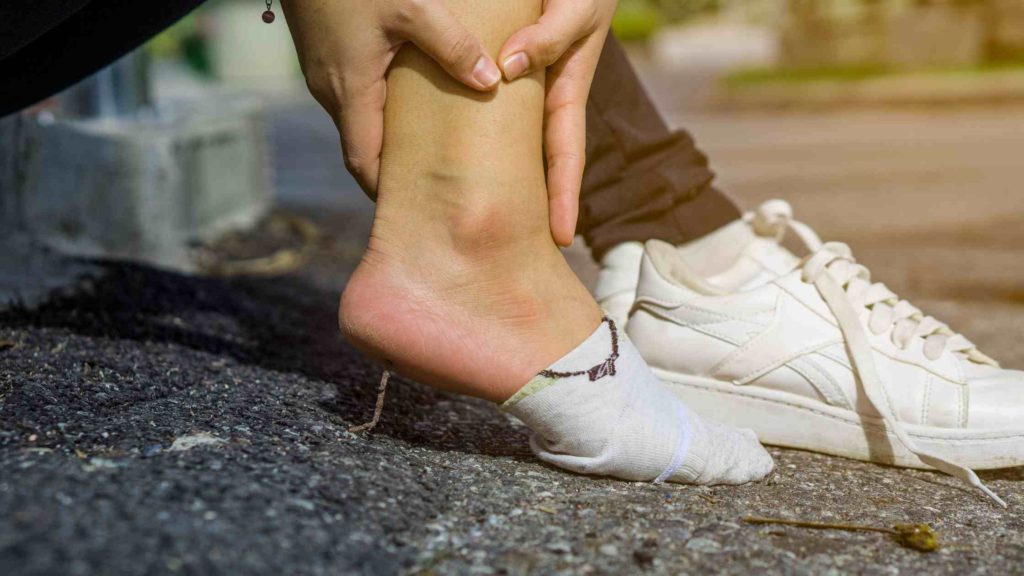
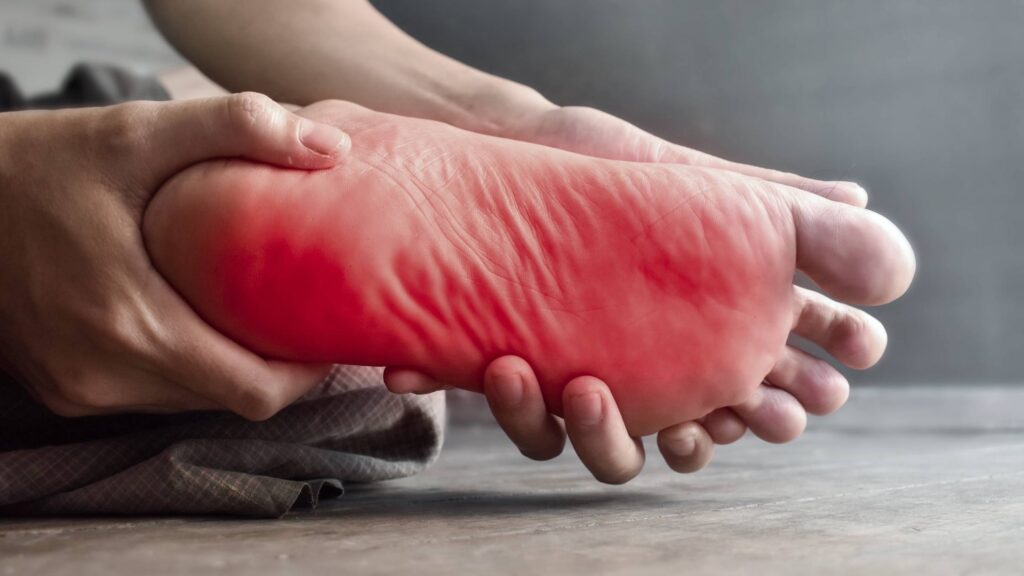
If you feel a sudden sharp pain in the back of the ankle or lower calf, especially during running or jumping, it could be an acute Achilles tendon rupture. This injury has become more common over recent decades, particularly among middle-aged recreational athletes (often called “weekend warriors”), men, and people with more active lifestyles.
In this updated guide we explain what an Achilles tendon rupture is, how it is diagnosed, the evidence-based treatment options available today, and what recovery and rehabilitation typically look like.
What is a ruptured Achilles tendon?
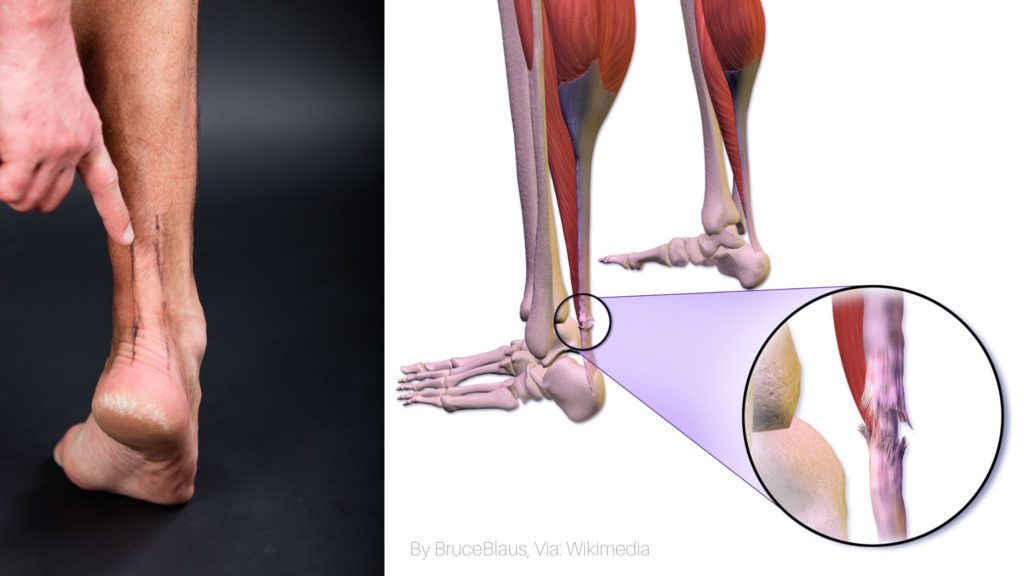
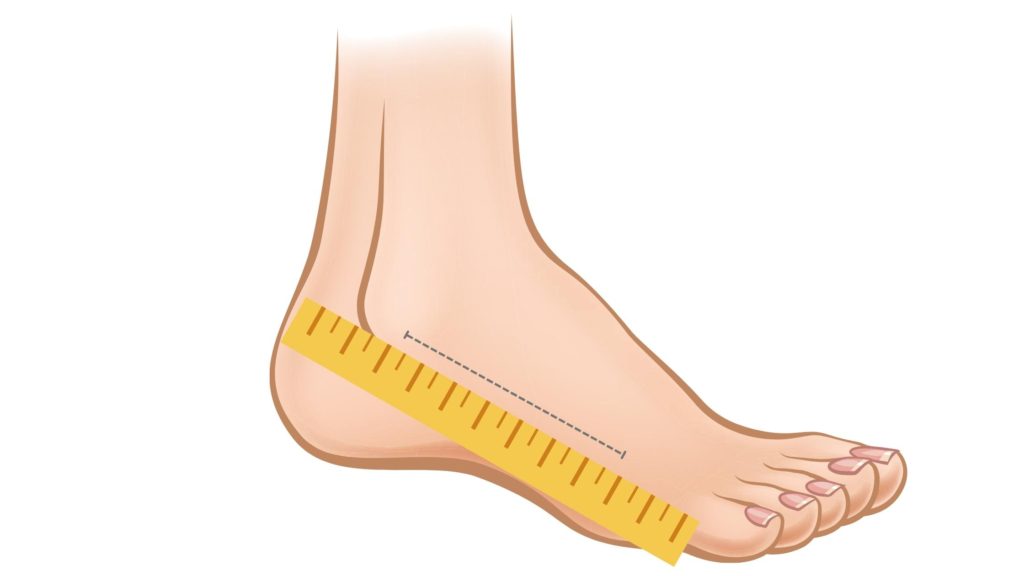
The Achilles tendon is the strongest tendon in the human body. It connects the calf muscles (gastrocnemius and soleus) to the heel bone (calcaneus). It allows you to push off the ground when walking, running and jumping, and helps you stand on your toes.
A rupture occurs when the tendon fibres tear, usually completely, in the area 2–6 cm above the heel bone (a relatively less vascular zone). It most often happens during a sudden forceful push-off or when the foot is forced into dorsiflexion while the calf is contracting.
Many people describe the sensation as being kicked or hit in the back of the leg, sometimes accompanied by an audible “pop” or “snap”.
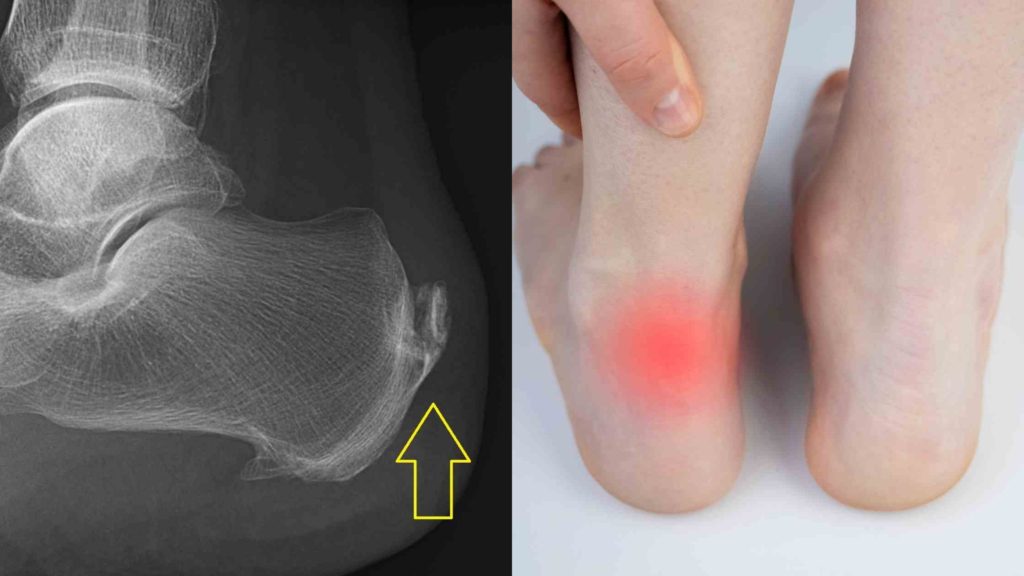
If there is no history of sudden injury and you experience gradual pain at the lower calf or behind the ankle, the problem may instead be Achilles tendon calcification or tendinopathy rather than an acute rupture. Other common causes of heel and ankle pain include sharp heel pain and plantar fasciitis.
Symptoms of Achilles tendon rupture
Common signs and symptoms include:
- Sudden sharp pain in the back of the ankle or lower calf
- A feeling of being kicked or struck in the heel area
- Possible audible pop or snap at the moment of injury
- Swelling and bruising that develops over hours
- Difficulty or inability to push off the ground or stand on tiptoe on the affected side
- A palpable gap or depression in the tendon (may be obscured by swelling)
- Weakness in plantarflexion (pointing the foot downward)
Some people can still walk after a complete rupture because other muscles help with ankle movement, which is one reason the injury is sometimes missed initially.
How is Achilles tendon rupture diagnosed?
Diagnosis is primarily clinical. Key examination findings include:
- Thompson (Simmonds) test: With the patient prone and the knee flexed, squeezing the calf produces no (or markedly reduced) plantarflexion of the foot if the tendon is completely ruptured. This test has high sensitivity and specificity.1
- Palpable gap in the tendon
- Increased resting ankle dorsiflexion compared with the uninjured side (Matles test)
- Reduced plantarflexion strength
Ultrasound or MRI may be used when the clinical picture is unclear, to distinguish partial from complete tears, or for surgical planning. X-rays are mainly used to rule out associated bony injury.
Treatment options for Achilles tendon rupture
Treatment is individualised and depends on age, activity level, tendon gap size, medical comorbidities, and patient preference. Current evidence shows that both modern non-operative (functional) management and surgical repair can produce good long-term functional outcomes when combined with structured early rehabilitation.2
Key points from recent high-quality studies (including the 2022 New England Journal of Medicine multicentre trial and subsequent meta-analyses):3
- Re-rupture rates are generally lower with surgery (often ~0.6–2.5 %) than with non-operative care (~3–6 % or higher depending on protocol quality).
- Functional outcomes (strength, patient-reported scores) at 1–2 years are often similar between well-managed surgical and non-operative groups.
- Surgery carries risks of wound complications, infection and sural nerve injury; non-operative care avoids these surgical risks but may carry a slightly higher re-rupture risk and potentially greater residual strength deficit in some patients.
- Early functional rehabilitation (protected weight-bearing and controlled motion) improves outcomes for both approaches and has largely replaced prolonged rigid casting.4
Non-operative (functional) management
Modern non-operative treatment uses a functional bracing protocol rather than prolonged cast immobilisation alone. Typical principles include:
- Initial positioning of the ankle in equinus (plantarflexion) with a walking boot and heel wedges to approximate the tendon ends.
- Early protected weight-bearing progressing over several weeks.
- Gradual reduction of heel wedges so the ankle moves toward neutral over 6–8 weeks.
- Controlled range-of-motion exercises (avoiding excessive dorsiflexion early on).
- Structured progressive strengthening once the tendon has sufficient healing.
This approach is often preferred for older or less active patients, those with higher surgical risk (e.g., diabetes, poor skin quality, smoking), or when the tendon gap is small. Supportive devices such as silicone heel cups may also be useful later in recovery for comfort.
Surgical repair
Surgery is more commonly considered for younger, highly active individuals, athletes, larger tendon gaps, or delayed presentations. Options include open repair and minimally invasive / percutaneous techniques. Minimally invasive approaches generally reduce wound complications compared with traditional open surgery, although sural nerve injury risk can be higher with some percutaneous methods.
After surgery, patients follow a similar progressive functional rehabilitation pathway, often with a slightly accelerated timeline in some protocols. Emerging research on tendon stem cells may influence future treatment approaches for tendon injuries.
Note on percutaneous tenotomy: Percutaneous needle tenotomy is sometimes used for certain chronic tendon conditions or in paediatric clubfoot management. It is not a standard primary treatment for acute complete Achilles tendon rupture in adults.
Rehabilitation and exercises after Achilles tendon rupture
Rehabilitation is the most important factor for a good outcome, whether treatment is surgical or non-operative. Protocols vary by surgeon and centre, but modern programmes share common phases. Progress is guided by time since injury, clinical milestones, and symptoms. Do not progress exercises without professional guidance.
Typical rehabilitation phases (overview)
Phase 1 – Protection (roughly weeks 0–2)
Immobilisation in plantarflexion (cast or boot with high heel wedges). Non- or touch-weight-bearing initially. Focus on swelling control, proximal strengthening (hip, knee), and education. Avoid any forced dorsiflexion.
Phase 2 – Early mobilisation & progressive loading (roughly weeks 2–6/8)
Transition to a walking boot with gradually reducing heel wedges. Progressive weight-bearing (often increasing by ~25 % body weight per week). Active plantarflexion and limited dorsiflexion to neutral. Toe curls, gentle isometrics, and seated heel raises may begin under guidance. Continue hip and core work.
Phase 3 – Strength development (roughly weeks 6–12+)
Wean from the boot into normal footwear (often with temporary heel lifts). Progress to bilateral then unilateral heel raises, resisted plantarflexion, balance and gait retraining. Avoid aggressive stretching into dorsiflexion until around 12 weeks in many protocols to minimise tendon elongation risk.5
Phase 4 – Advanced strengthening & return to activity (3–6+ months)
Heavy slow resistance training, eccentric loading when appropriate, progressive plyometrics, running progression, and sport-specific drills. Full return to high-demand sport often takes 9–12 months or longer and is based on strength symmetry, single-leg heel-raise capacity, and functional testing rather than time alone. Incorporating ankle strengthening exercises can support overall lower-limb stability during this phase.
Key principles supported by current evidence:
- Early controlled loading is beneficial and does not increase re-rupture risk when properly supervised.
- Avoid passive stretching into dorsiflexion in the early months to reduce the risk of tendon lengthening (which can cause long-term weakness).
- Calf strength recovery is often incomplete; dedicated progressive loading for 12 months or more is important.
- Criteria-based progression (e.g., ability to perform a certain number of single-leg heel raises) is preferred over fixed timelines alone.
For related exercise ideas once cleared by your clinician, you may find our guide on Achilles tendonitis stretches and exercises helpful, although those programmes are designed for tendinopathy rather than acute rupture recovery.
Keep Reading:
- Easy Achilles tendonitis stretches and other exercises for Pain Relief
- 6 Easy Ankle Strengthening Exercises for Better Mobility and Stability
- What Causes Sharp Heel Pain? Heel Spurs, Red Flags & When You Need More Than Exercise
- How to Use Silicone Heel Cup for Pain-Free Heel
- What causes Achilles tendon calcification? Symptoms and physiotherapy treatment
References:
This article was updated in August 2026 to reflect current evidence on diagnosis, treatment decision-making, and rehabilitation principles for acute Achilles tendon rupture.

The author is a physiotherapist who has been practising for the last 17 years. He holds a Bachelor's in Physiotherapy (BPT) from SVNIRTAR (Swami Vivekananda National Institute of Rehabilitation and Research), one of the prestigious physiotherapy schools in India.
Whatever he learns dealing with his patient, he shares it with the world through blogs and e-books. He also owns a YouTube channel, "Sunit Physiotherapist" with over 8 lakh active subscribers. Here, he shares everything he gets to learn serving the patient.