Sciatica pain gets worse with heavy lifting and forward bending because these movements increase pressure on a weakened lumbar disc, which further compresses the sciatic nerve and aggravates pain, tingling, and numbness in the leg.
Are you experiencing a sharp shooting pain with a pulling sensation in the back of the leg? If so, you might be suffering from sciatica. If you have been diagnosed with sciatica, your doctor might have warned you against lifting heavy objects and bending forward.
But do you know why? Let’s explore this in today’s article.
What is Sciatica?
Sciatica is a painful lower back condition in which the sufferer feels pain radiating along the back of the leg.
It follows the path of the sciatic nerve, which runs from your lower back through your hips and buttocks and down each leg.
Here are some symptoms you might recognise:
- Sharp pain in the lower back that might shoot down your leg.
- A pulling or tight sensation in the leg.
- In severe cases, tingling or numbness in the leg or foot.
The Culprit: Nerve Compression
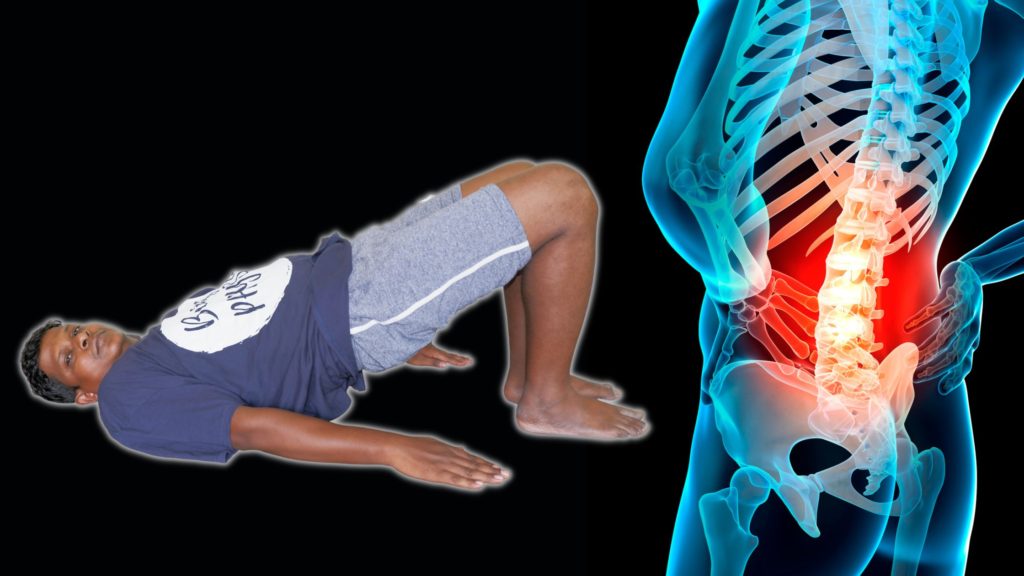
The cause of sciatica is compression of the sciatic nerve. There are various reasons for this compression, including piriformis syndrome and lumbar spondylolisthesis. The most common cause, however, is lumbar disc herniation.
The discs in your spine act as cushions between the vertebrae. They serve as shock absorbers, preventing the bones from directly colliding and reducing the risk of injury.
These discs can become compromised due to ageing, injury, or excessive strain (often from poor desktop ergonomics). That is why it is important to follow the correct sitting posture at a computer.
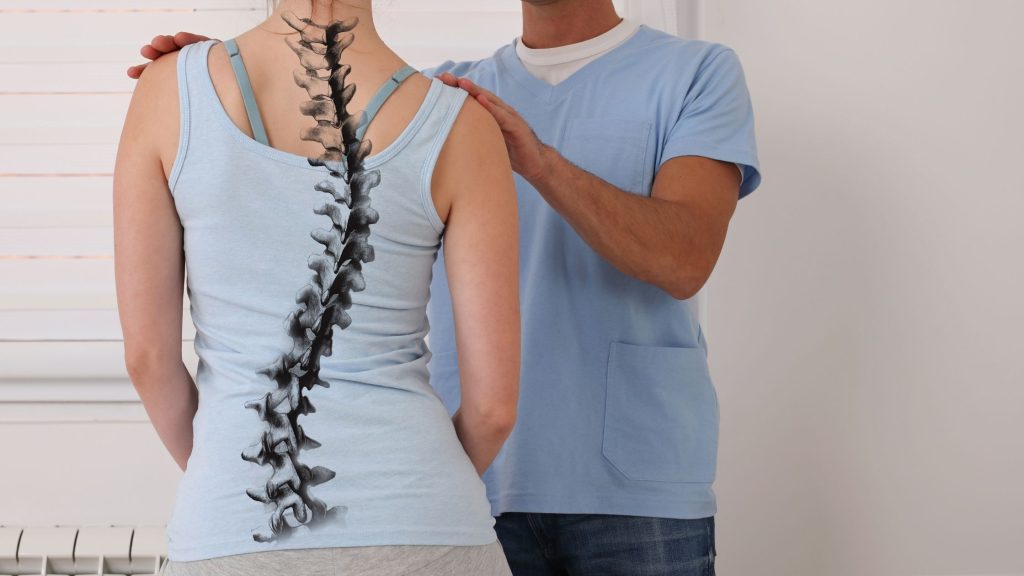
When the tough outer layer of a disc tears or weakens, the softer inner material can bulge outward or, in more severe cases, rupture. This bulging or ruptured disc can put pressure on the sciatic nerve, leading to sciatica symptoms.
Why Heavy Lifting Aggravates Sciatica
Here’s what happens when you lift something heavy while dealing with sciatica:
1. Increased pressure on the disc
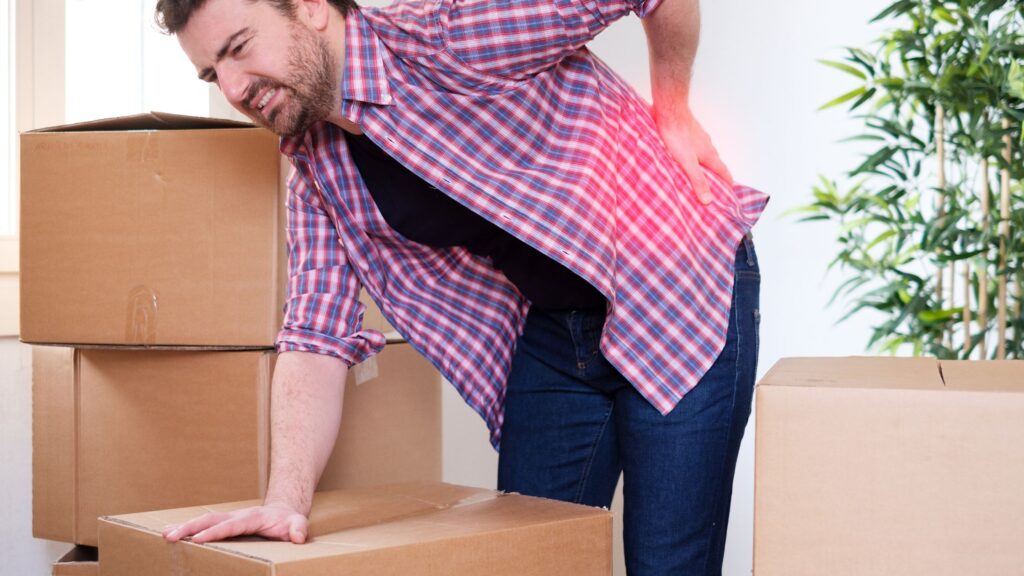
When you lift a heavy object (for example a box of books) with improper posture, you place extra strain on an already weakened disc. Bending forward to lift without using your legs multiplies the pressure on the spinal disc far beyond the weight of the object itself. Classic in-vivo measurements have shown that even moderate forward leaning significantly raises intradiscal pressure, and adding external loads increases it further2.
2. Further nerve compression
The additional pressure can push disc material more firmly against the sciatic nerve. This aggravates symptoms such as pain, numbness, or tingling that travel down the leg. Biomechanical studies also indicate that combining flexion with compression (as occurs in many lifting tasks) lowers the load threshold required for disc failure compared with neutral postures3.
Why Forward Bending Is Risky
1. Disc movement
When you bend forward, the nucleus pulposus (the soft centre of the disc) tends to migrate backward. This posterior shift can push herniated material further into the spinal canal and increase compression of the sciatic nerve. A systematic review and meta-analysis of imaging studies supports this pattern of nucleus movement during flexion in the majority of cases4.
For a detailed explanation of the biomechanics, see: Why does Lumbar Herniated Disc Pain Increase with Bending Forward?
2. Aggravation of symptoms
The extra pressure on the nerve commonly results in a noticeable increase in pain and discomfort.
Safe Practices & Alternatives
Here are practical ways to manage sciatica while avoiding harmful movements:
- Avoid heavy lifting when possible — If you must lift something, use proper body mechanics. Bend at your knees and hips (not your waist), keep the load close to your body, maintain a straight back, and engage your core.
- Maintain good posture — Keep a neutral spine position and avoid postures that place extra stress on the lower back.
- Do the right exercises — Research shows that conservative management, including targeted exercises, is often better long-term than surgery for disc herniation1. Effective options include gentle core strengthening, lumbar stabilisation, and sciatic nerve stretching exercises that can ease pain relatively quickly.
- Avoid repeated flexion — Steer clear of exercises or daily movements that involve deep forward bending from the waist.
- Use a lumbar support belt when needed — During flare-ups you should rest, but when you need to travel or work, a properly fitted lumbar belt can reduce stress on the lower back. Use this online lumbar belt size calculator to find the right size.
For more detailed exercise guidance, see our guides on 7 easy exercises for sciatica nerve pain relief and L4-L5 disc herniation exercises.
Conclusion
Understanding why certain movements should be avoided is an important part of managing sciatica. This awareness also applies to everyday actions such as getting in and out of bed and even simple tasks like washing dishes. The goal is to reduce nerve compression, ease pain, and improve mobility over time.
FAQ

The author is a physiotherapist who has been practising for the last 17 years. He holds a Bachelor's in Physiotherapy (BPT) from SVNIRTAR (Swami Vivekananda National Institute of Rehabilitation and Research), one of the prestigious physiotherapy schools in India.
Whatever he learns dealing with his patient, he shares it with the world through blogs and e-books. He also owns a YouTube channel, "Sunit Physiotherapist" with over 8 lakh active subscribers. Here, he shares everything he gets to learn serving the patient.