
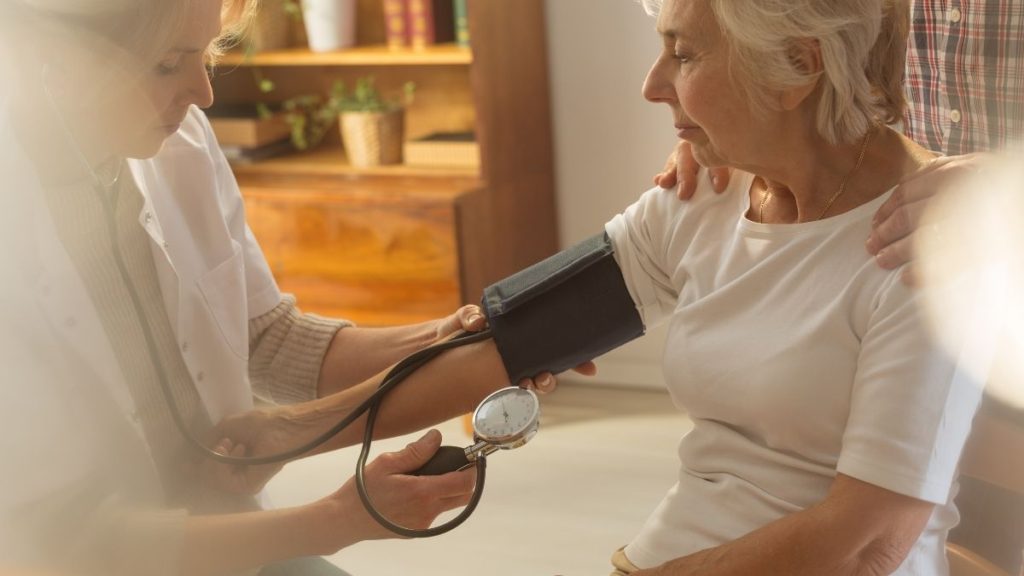
Are you feeling dizzy or lightheaded? You might be experiencing low blood pressure (hypotension). Low blood pressure or hypotension is a serious health issue that should not be overlooked, just like high blood pressure.
hypotension symptoms and are sometimes referred to as a “Forgotten Illness1.
If you notice any of the 11 prominent signs of low blood pressure, it is essential to consult your doctor immediately. This article will also discuss the potential causes of hypotension and how it can be managed through simple dietary habits. Let’s get started.
What is Low Blood Pressure (Hypotension)?
Low blood pressure is a clinical condition with a decrease in blood pressure below the accepted low value. When blood pressure decreases below 90/60, it is recognised as low blood pressure. A decrease in blood pressure could be:
- Permanent: a condition termed chronic hypotension or
- Orthostatic low blood pressure occurs due to a change in posture from sleeping to standing.
- Or, it may be a combination of both3.
In orthostatic hypotension, when a person changes posture from lying to sitting or standing, there is a decrease of 20 mmHg systolic and/or 10 mmHg diastolic within three minutes of standing. When we sit/stand from a lying position, the blood rushes to the lower parts of the body, leaving less blood to be pumped by the heart.
However, a mechanism checks this sudden rush of blood to the lower part, preventing low blood pressure. When this mechanism does not function correctly, it leads to orthostatic hypotension.
But what about chronic hypotension? This leads to our next topic, the cause of low blood pressure.
11 Common Low Blood Pressure Symptoms
There are several signs and symptoms of hypotension. These include dizziness, headache, fatigue, nausea, vomiting, confusion, blurred vision, and fainting. You should seek medical attention immediately if you notice any of these symptoms. Orthostatic hypotension increases with age.
Now, let’s get straight to the signs of low blood pressure. The symptoms begin to appear because the low amount of blood reaches the vital organs like the brain, lungs, and skin.
I have listed all the signs and symptoms in this table:
| Symptom | Description & Notes | Immediate Action to Take |
| Dizziness or Lightheadedness | Often occurs when standing up too quickly (orthostatic hypotension). | Sit or lie down immediately. Lower your head to the level of your heart. Hydrate with a glass of water. |
| Fatigue & Lack of Energy | A persistent feeling of tiredness that isn't relieved by rest. | Rest in a comfortable position. Ensure you are hydrated and have eaten recently. |
| Nausea | A feeling of sickness with an inclination to vomit. | Sip on cool water or a clear, sugary drink like juice. Get fresh air and avoid strong smells. |
| Blurred or Tunnel Vision | Vision may become fuzzy or dim, often preceding fainting. | Stop any activity. Sit down and put your head between your knees to increase blood flow to the brain. |
| Fainting (Syncope) | A temporary loss of consciousness caused by low blood flow to the brain. | If you feel it coming, sit or lie down. Do not try to fight it. Once conscious, rest and hydrate. |
| Lack of Concentration | Difficulty focusing or "brain fog" due to reduced cerebral blood flow. | Pause mentally demanding tasks. Hydrate and take a short break to rest your eyes and mind. |
| Rapid, Shallow Breathing | The body's response to not getting enough oxygenated blood. | Focus on taking slow, deep breaths to calm your system and improve oxygen exchange. |
| Cold, Clammy, Pale Skin | Blood is being shunted away from the skin to vital organs. | Keep warm with a blanket. This is a sign your body is under stress; rest is crucial. |
| Thirst | Often a sign of dehydration, a primary cause of low blood volume. | Drink water or an electrolyte-replenishment beverage immediately. |
| Depression | Can be associated with feelings of uneasiness and low energy. | While not an immediate fix, recognize it as a symptom. Speak to a doctor about persistent feelings. |
| Headache | Can occur due to reduced pressure and blood flow within the brain. | Rest in a quiet, dark room. Ensure you are hydrated, as dehydration is a common trigger. |
Can Low Blood Pressure Cause Headaches?
Yes — and it’s often one of the first signs people notice. When blood pressure drops, the brain briefly receives less oxygenated blood, which can trigger a dull, pressure-like headache, sometimes described as a “heavy head” feeling. This differs from a tension headache in one key way: it usually eases within minutes of lying down, because lying flat restores blood flow to the brain faster than sitting or standing.
If a headache is severe, sudden, or doesn’t improve after resting for 10–15 minutes, don’t assume it’s just low BP — that combination can also signal a dehydration-related electrolyte imbalance or, rarely, something more serious, and warrants a same-day call to your doctor.
Dizziness and Lightheadedness: Common Low BP Signs
This is the hallmark of orthostatic (postural) hypotension — when you move from lying or sitting to standing, gravity pulls blood toward your legs faster than your cardiovascular system can compensate, so less blood reaches your brain for a few seconds.
You can actually test for this at home: take your BP sitting, then again within 1 minute of standing. A drop of 20 mmHg systolic or 10 mmHg diastolic confirms orthostatic hypotension. It’s most common in the morning (after a night of lying flat), after large meals, and in hot weather — so if your dizziness follows this pattern, it’s a strong clue rather than a random symptom.
Why Does Low Blood Pressure Cause Nausea?
Nausea occurs because the digestive system is one of the first areas the body reduces blood flow to when pressure drops — it’s a lower priority than the brain and heart, so the gut is essentially “deprioritized,” which can trigger queasiness.
This is also why nausea frequently shows up after eating (postprandial hypotension) — digestion pulls even more blood away from circulation and into the gut, compounding the effect. Eating smaller, more frequent meals rather than large ones, and staying seated for 20–30 minutes after eating, reduces how sharply pressure falls.
Feeling Fatigued? The Link Between Low BP and Tiredness
Fatigue from hypotension is different from ordinary tiredness — it doesn’t resolve with sleep or rest, because the underlying cause (reduced blood and oxygen delivery to muscles and tissues) is still present. This is why people with chronic hypotension often describe feeling “wiped out” even after 8 hours of sleep.
It’s also frequently the earliest and most persistent symptom, showing up before dizziness or headaches become noticeable — which is why unexplained, rest-resistant fatigue is worth checking with a blood pressure reading rather than dismissing it as lifestyle-related.
What causes low blood pressure?
Hypotension occurs when there isn’t enough blood flowing through the body. This happens when the volume of blood pumped by the heart decreases.
There are several reasons why this might happen. One reason is that the kidneys aren’t filtering as much fluid as usual. Another reason is that the blood vessels constrict, causing less blood flow.
According to research, these falls in pressure appear to be common in individuals with a characteristic body habitus; i.e., those who are shorter and lighter than the general population are more likely with hypotension2.
This could be attributed to significantly lower creatinine in the hypotensive. A person with a smaller build has a smaller muscle mass, and they have low creatinine levels, resulting in low pressure.
We can understand the causes of low blood pressure under three subheadings. These are:
- Heart rate
- Heart pump and
- Blood volume
How Heart Rate Problems Can Lead to Low BP
Usually, our heart beats 72 times in 60 seconds. In other words, our heart pumps blood 72 times in one minute. But there are certain conditions when this regular 72 beats per minute reduces below this normal.
What happens when the heartbeat rate reduces?
So, when the heartbeat rate is reduced, the rate at which the heart pumps out blood is also reduced. This decreases the flow of blood through the blood vessels in the body, leading to low blood pressure.
So what are the conditions where heart rate reduces? Heart rate reduces in heart diseases like
Weak Heart Pump: A Key Cause of Hypotension
We all know that the heart is a pumping machine that pumps blood to all organs and cells in our body nonstop. Pumping blood to every part of the body requires a certain amount of power, a pumping force, to complete this task every minute, every second.
However, there are certain diseases in which the muscle of the heart (cardiac muscle) becomes weak, so the force at which the heart pumps is reduced.
So, less powerful pumping means less blood being pumped out. This results in a lesser flow of blood in our bodies and, hence, low blood pressure. These conditions can occur in:
- Myocardial infarction
- Hypothermia or
- Cardiac depressant medication
Also read: When should you take BP meds? Bedtime is best finds study
How Low Blood Volume Causes Hypotension
It’s evident that when the blood volume in our body reduces, less blood will flow, leading to reduced blood pressure. The reduced volume of blood can occur in these situations:
- Severe dehydration
- Severe loss of blood after trauma
- Internal bleeding
- Septic shock
- Severe infection
- Severe allergic reactions
Evidence-Based Dietary Strategy for Low BP (Based on Clinical Research)
A recent study published in the Journal of Clinical Medicine successfully raised blood pressure and improved energy levels in a woman with chronic hypotension through a structured 4-week plan. Here are the key changes they made, which you can discuss with your doctor:
| Before Intervention | Before Intervention | During Intervention | How to Implement |
| Sodium Intake | ~1600 mg | ~4400 mg | Add salt to meals mindfully. Incorporate salted nuts, olives, cheeses, and whole-grain crackers. |
| Fluids | ~2.3 L | ~3.9 L | Aim for 3-4 liters of water daily. Carry a large water bottle and sip consistently throughout the day. |
| Caffeine | None | 1 cup coffee | Consider introducing one cup of coffee in the morning if you don't already drink it. |
| Overall Calories | ~1455 kcal | ~1835 kcal | Ensure you're eating enough. Add healthy calorie-dense snacks like avocado, nut butter, and full-fat yogurt. |
| Physical Activity | ~4600 steps | ~8700 steps | Increase daily movement. Aim for a daily walk or gradually increase your step count |
Low blood pressure can be caused by a Vitamin B12 deficiency. To address this, we should consume food that is rich in Vitamin B12.
- Animal sources of food are generally rich in Vitamin B12, while plant sources are poor.
- Following a vegetarian diet, you can take fortified cereals like cornflakes. Milk and dairy products such as cheese, butter, and paneer are also good sources of Vitamin B12.
- While animal sources are typically the richest, these products and byproducts can still provide adequate amounts of Vitamin B12.
How diet improved the quality of life with hypotension
The diet modifications will not only help raise blood pressure, but the true benefit is feeling better. The 2025 study 4 found that their participant experienced significant improvements in her daily life after the dietary intervention, including:
- Increased energy levels and reduced daytime fatigue.
- Reduced dark circles under the eyes.
- Feeling less cold throughout the day.
- Longer, better sleep (over an hour more per night on average).
This shows that dietary strategies aren’t just about changing a number on a monitor—they’re about effectively tackling the draining symptoms that impact your daily life.
When to See a Doctor and Final Thoughts
Low blood pressure can be chronic or momentary. It is also seen in person after a long bed rest, which could be postoperative and is also commonly seen in pregnant women. One should always keep a digital blood pressure monitor at home to see whether blood pressure is low or average.
If your digital blood pressure monitor indicates lower pressure, you can immediately consult your doctor for further advice. Using a digital blood pressure monitor is very easy. You should learn how to use a digital blood pressure monitor at home.

The author is a physiotherapist who has been practising for the last 17 years. He holds a Bachelor's in Physiotherapy (BPT) from SVNIRTAR (Swami Vivekananda National Institute of Rehabilitation and Research), one of the prestigious physiotherapy schools in India.
Whatever he learns dealing with his patient, he shares it with the world through blogs and e-books. He also owns a YouTube channel, "Sunit Physiotherapist" with over 8 lakh active subscribers. Here, he shares everything he gets to learn serving the patient.


Pingback: How to select at-home BP monitor for yourself & its types : Physiosunit