
Rotator Cuff Injuries
In this chapter, we’ll discuss rotator cuff injuries. The rotator cuff is located around our shoulder joint. This injury is more common in older people
In this chapter, we’ll discuss rotator cuff injuries. The rotator cuff is located around our shoulder joint. This injury is more common in older people

Learn about levers and pulleys as simple machines, with clear explanations of the three classes of levers in the human body, mechanical advantage, and fixed vs movable pulleys. Ideal for physiotherapy and biomechanics students.

Learn what passive movement is in physiotherapy, its classification, key principles of relaxed passive movement, and clinical effects & uses for patients with weakness, stiffness or oedema.
Passive Movement in Physiotherapy: Definition, Principles, Effects & Uses Read More »

Learn hip joint biomechanics as a first-class lever: how single-leg standing and leg length discrepancy affect load on the hip joint and osteoarthritis risk — explained with diagrams and simple mechanics equations.
Hip Biomechanics Explained: First-Class Lever, Joint Reaction Force & Single-Leg Stance Read More »
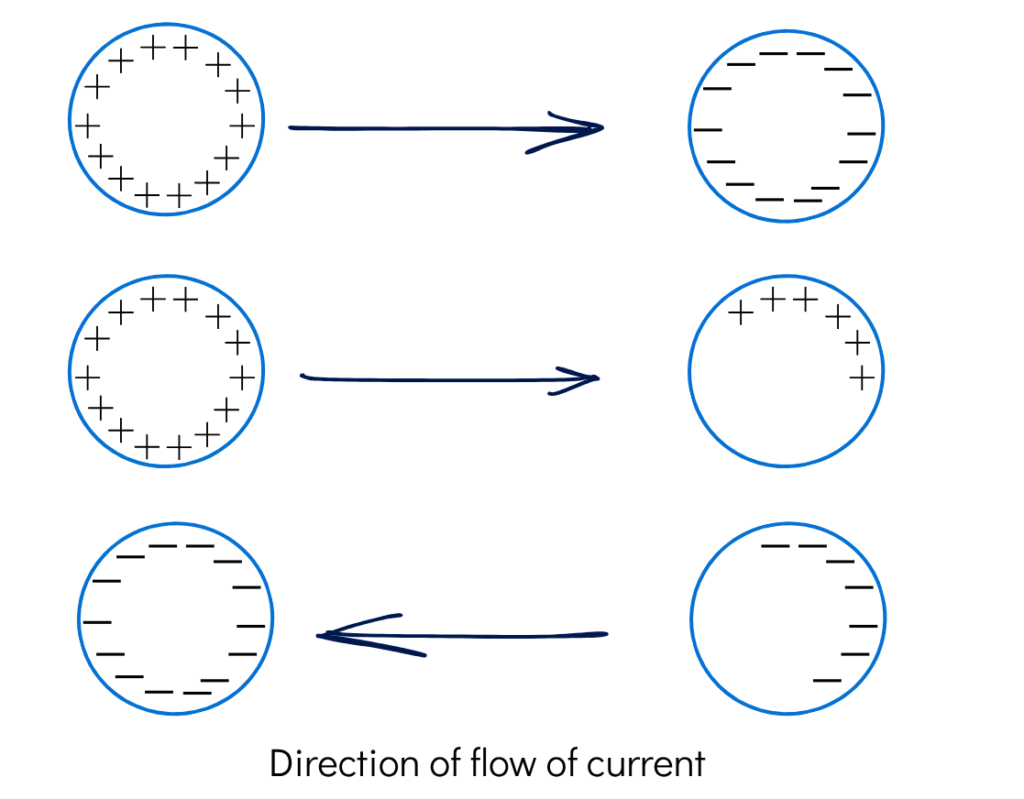
In this lesson, we will study current electricity. You learned that static electricity exists in an insulating body. Current electricity is the flow of electrons,
Current electricity, electromotive force in physiotherapy Read More »

Line of gravity, base of support, equilibrium and fixation concepts explain why some positions are stable, why others are prone to falls, and how muscles
Understanding Line of Gravity, Base of Support, & Equilibrium in Physiotherapy Read More »

Learn the types of muscle work — isotonic (concentric & eccentric) and isometric — and the four ranges of muscle work: full, inner, outer, and middle range. A complete physiotherapy guide with clinical examples.
Eccentric vs Concentric Muscle Work – Its Ranges Read More »

Download stiff painful shoulder exercise guide with phase-wise, clear illustrations -ideal for home-based rehabilitation.
