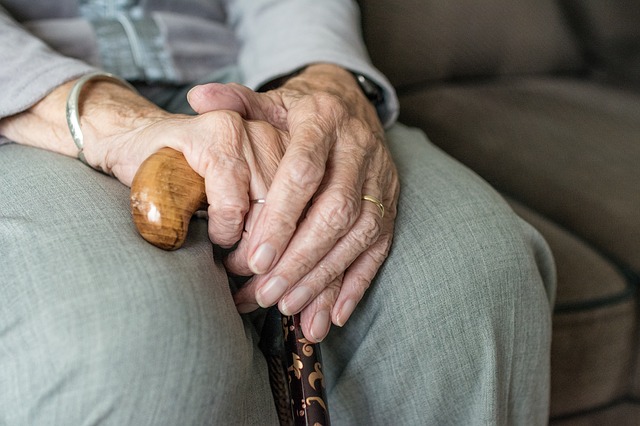
This knee osteoarthritis risk calculator is an educational estimate. It is not a diagnosis and it does not replace an examination by a doctor or physiotherapist.
What the calculator asks you
First of all, the calculator is based on a scientific paper.
This risk calculator measures how riskier is your profession, you daily habits can have a chances of you developing osteoarthritis knee.
For example, a profession that demands repeated squatting and standing several times a day have more chance of developing knee OA as compared to a person on deskjob. Another example is that females are more prone to developing knee OA issues.
So, this calculator looks for clues through a series of questionnaires to assess your risk. We have grouped the questions to make it easy for you. Like:
- About you: age, gender, and whether a parent, brother, sister or child has been diagnosed with knee OA.
- Your knee history: any earlier knee injury (and how long ago), plus conditions such as inflammatory arthritis, gout, metabolic syndrome, or bow legs and knock knees.
- Work and sport: how much you kneel or squat, how heavy your regular lifting is, and any high-impact sport you played between ages 10 and 30.
- Your health today: weight and height (the calculator works out your BMI), activity level, muscle weakness or balance problems, how often your knees hurt, and smoking status.
How your score is worked out
Each answer you give carries a small number of points, and the calculator adds them up. A higher total means a higher risk. BMI is handled a little differently: every BMI unit above 22 adds a fraction of a point, and a BMI below 22 slightly lowers your total.
If you are interested in checking your BMI, we have a separate free BMI calculator worth checking. We also recommend you checking our article on the 7 risk factors of knee osteoarthritis explains the research behind these factors in detail.
What your result means
After answering all the questionnaires, when you finally hit the submit button, you will get a score, a numerical value. This score, we compare it with the risk gradation and categories under three risk group. Your risk will also be categorised under one of the listed risk categories:
Low risk
Low risk means your knees are healthy and you should aim to keep them that way. The best way is to stay active, invest time in outdoor exercises such as jogging, cycling, and swimming. We physiotherapists also recommend regular knee strengthening exercises.
Moderate risk
Moderate risk means your knee has started developing the features of osteoarthritis, but it is still not too late. Build leg and core strength with a physiotherapy exercise routine for knee OA, work towards a healthy BMI, reduce repeated high-impact loading, and add balance and flexibility work.
High risk
What if you get a high score?
Nothing to worry about; a high score does not mean you have OA or that you will need surgery. It means you should have your knees examined by a physiotherapist, orthopaedic specialist or rheumatologist, and get an X-ray or MRI if they advise it.
Meanwhile, follow a structured rehabilitation plan such as our home exercise chart for knee osteoarthritis, and avoid activities that bring on knee pain or swelling.
Which risk factors can you change?
You cannot change your age, gender, family history or an old injury. You can change several others, and these are where your effort pays off:
- Body weight: less weight means less load on every step.
- Thigh and hip strength: stronger muscles share the load with your joint.
- Daily knee habits: long periods of deep squatting and kneeling add stress. Read our knee pain precautions and the exercises to avoid in knee arthritis.
- Walking pattern: see how gait retraining reduced knee OA pain in a recent study.
- Smoking: the calculator counts current smoking as a point, so quitting lowers your score.
The bottom line
After more than 20 years of treating knee patients, I find the same thing again and again: people who understand their risk early do much better than people who wait for pain to force the issue.
So, take the test above, note your result, and pick one change from the list to start this week. If your doctor has advised you for surgery, our guide to preparing for total knee replacement can help.
Frequently asked questions

The author is a physiotherapist who has been practising for the last 17 years. He holds a Bachelor's in Physiotherapy (BPT) from SVNIRTAR (Swami Vivekananda National Institute of Rehabilitation and Research), one of the prestigious physiotherapy schools in India.
Whatever he learns dealing with his patient, he shares it with the world through blogs and e-books. He also owns a YouTube channel, "Sunit Physiotherapist" with over 8 lakh active subscribers. Here, he shares everything he gets to learn serving the patient.