
Frozen shoulder is a painful shoulder condition that makes even a simple daily task like combing your hair, putting on and taking off your clothes, challenging. One of the main complaints is night shoulder pain and stiffness. It is also termed peri-arthritis shoulder and adhesive capsulitis, and it commonly affects females more than males.
In this article, we will try to understand what a frozen shoulder is, why it happens and how your physiotherapist can help you—including practical frozen shoulder exercises you can use at home once the acute pain settles.
What is a Frozen Shoulder? (Adhesive Capsulitis)
Frozen shoulder (also called adhesive capsulitis) is a condition where your shoulder becomes stiff, painful, and hard to move. It often starts slowly, but over time, it can limit your daily activities like dressing, reaching overhead, or even sleeping comfortably. Many people first notice progressive shoulder tightness that does not ease with rest alone.
The sufferer usually describes constant pain that remains the whole day long as an “electric current” type of painful feeling when trying to move the shoulder or when something hits it.
Shoulder stiffness is a common complaint that results in unbearable pain when putting on and taking off clothes or reaching the back pocket.
What Causes a Frozen Shoulder?
Doctors used to think frozen shoulder was only a shoulder problem, caused by inflammation and scar tissue around the joint capsule. Emerging research suggests it may be more complicated and linked to broader immune and nervous-system factors:
- Diabetes & Thyroid issues: People with diabetes or thyroid problems are more likely to get frozen shoulder1 2.
- Stress & Emotions: Anxiety, depression, and stress can increase inflammation in the body and may worsen frozen shoulder symptoms2. According to one study, cases rose during the COVID-19 pandemic, possibly linked to both increased stress and reduced physical activity.
- Lifestyle: Sedentary habits, poor diet, stress, and even lack of sleep can contribute to chronic low-grade inflammation. This type of “silent” inflammation may weaken the body’s defence barriers, disrupt metabolism, and set the stage for frozen shoulder.
Lack of exercise could also follow shoulder injuries or immobilisation after a fracture around the shoulder joint (e.g. clavicle fracture, rotator cuff injury, shaft of humerus fracture). - Other factors under investigation: Some researchers have explored whether low-grade or hidden infections could play a role in certain people, though this remains an area of ongoing study rather than established fact.
So, frozen shoulder isn’t just about the shoulder—it can be linked to your overall health.
The Underlying Pathology: What Goes Wrong in Your Shoulder
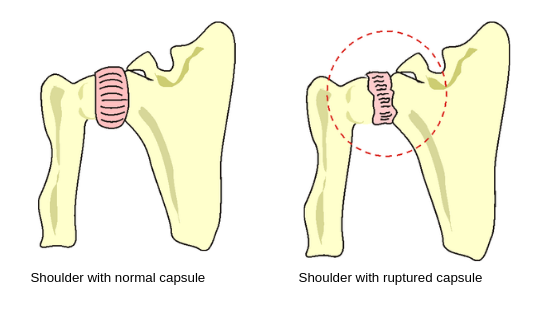
Every joint has a capsule (outer covering) around it. As you can see in the figure, the shoulder joint also has a capsule around it, and in the frozen shoulder, this capsule dries up.
The capsule dries up, shrinks, and adheres to the joint and its surrounding structure. This stiffens the shoulder and produces a great deal of pain when one tries to elevate it.
With time, due to a lack of shoulder movement and pain, the muscles surrounding the shoulder start to become weak—another reason guided stretching and mobility work matter once pain allows.
Frozen Shoulder Symptoms and The 3 Stages
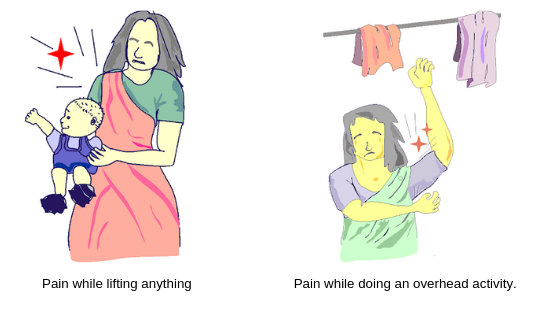
A frozen shoulder is a very painful condition; the usual complaint of the patient is:
- Pain with activities.
- Pain during the night, often with difficulty or inability to lie on the affected side.
- Unable to do overhead activities such as combing and wearing t-shirts due to pain and shoulder restriction.
- Unable to reach the back pocket.
- Weakness in the hand.
- An electric shock-like pain in the hand when the shoulder is hit by something.
- Unable to lift objects comfortably.
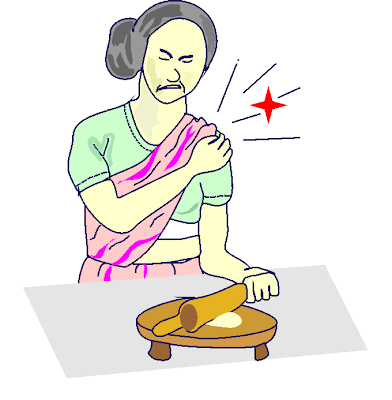
Understanding the 3 Stages of a Frozen Shoulder
Frozen shoulder typically progresses through three overlapping phases: freezing (painful), frozen (adhesive) and thawing. It is often self-limiting, though recovery can take 12–24 months or longer in some people. Stage boundaries are not always sharp in practice.
Stage 1: The Freezing (Painful) Phase
Pain is often most severe during the freezing phase because inflammatory processes are active in the shoulder capsule2. This phase can last for roughly 2–9 months1. In the early, pain-predominant phase, evidence also supports considering medical options such as intra-articular corticosteroid injection alongside physiotherapy for short-term pain and function gains3.
- Characterised by pain on the outer side of the upper arm.
- Pain is worse at night.
- Difficulty or inability to lie on the affected side (a classic feature).
- Complaints of pain with activities.
- Restriction of shoulder movement begins at this stage.
Important: During the highly painful freezing phase, aggressive stretching or forced end-range exercises can increase inflammation. Treatment at this stage focuses on pain control and gentle range-of-motion work within comfortable limits—not the more intensive mobility drills used later.
Stage 2: The Frozen (Adhesive) Phase
In this phase, severe pain often begins to subside, but there is progressive loss of shoulder range of motion. Inflammation leads to scarring and thickening (fibrosis), making the capsule stiff and tight2.
This phase commonly lasts around 4–12 months (timing varies between individuals). Structured shoulder wand exercises and guided mobilisation become more useful once sharp inflammatory pain has eased. Combining exercise with joint mobilisation tends to support greater gains in range of motion than exercise alone in many studies4.
Stage 3: The Thawing (Recovery) Phase
This is the final phase; duration is often reported as roughly 5–26 months. Inflammation gradually settles and the patient experiences a gradual return of range of motion. It remains important to restore movement and strength under guidance so that residual stiffness does not persist—see our guides on frozen shoulder stretching and progressive home work. End-range mobilisation techniques may further help pain, range, and function in the short- to medium-term when irritability allows5.
Frozen Shoulder Treatment: How Physiotherapy Helps
Your physiotherapist will thoroughly examine the affected shoulder and measure the ROM (Range of Motion) — how much the shoulder moves in each direction and how much it is restricted.
Treatment is tailored to the stage and severity of pain and restriction. Approaches that are appropriate in the stiff (frozen) or thawing phases may need to be gentler in the highly inflammatory freezing phase. Below is a brief overview of common physiotherapy options.
1. Pain Relief: Interferential Therapy (IFT)
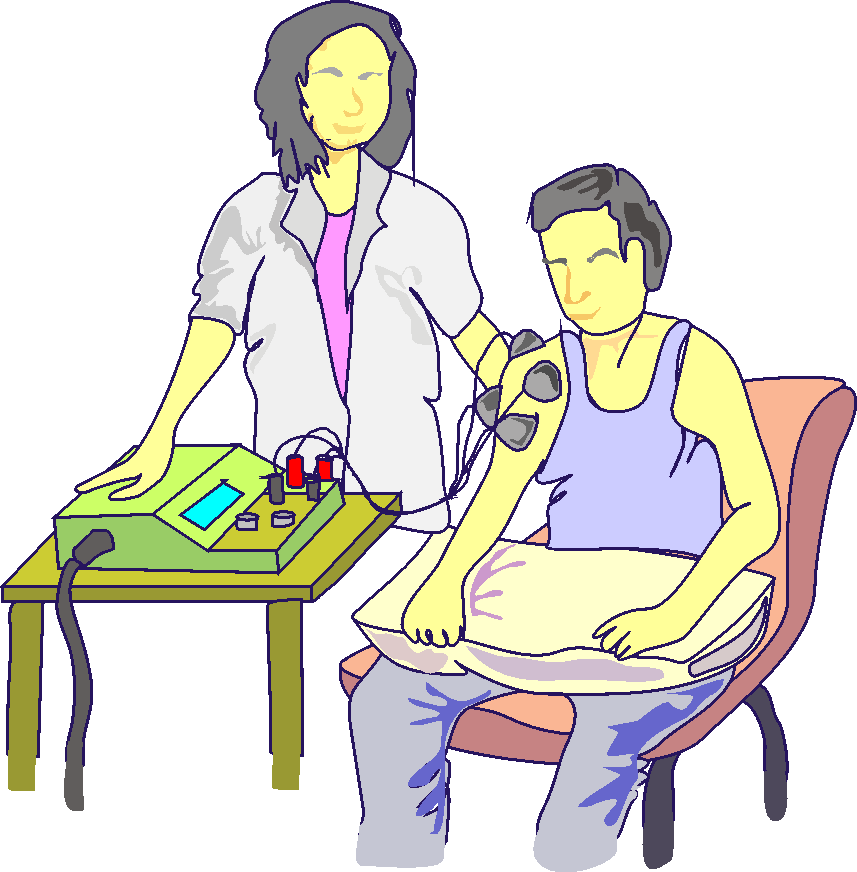
IFT or interferential therapy is a modified electrical stimulation given to muscles and nerves. It is commonly used to help reduce pain.
2. Deep Tissue Healing: Ultrasonic Therapy (UST)
Ultrasonic therapy has thermal and micro-massage effects that may help relieve pain and relax tight muscle and the contracted capsule. Some clinics also use short wave diathermy for similar deep-heating benefits.
3. Restoring Movement: Joint Mobilization Techniques
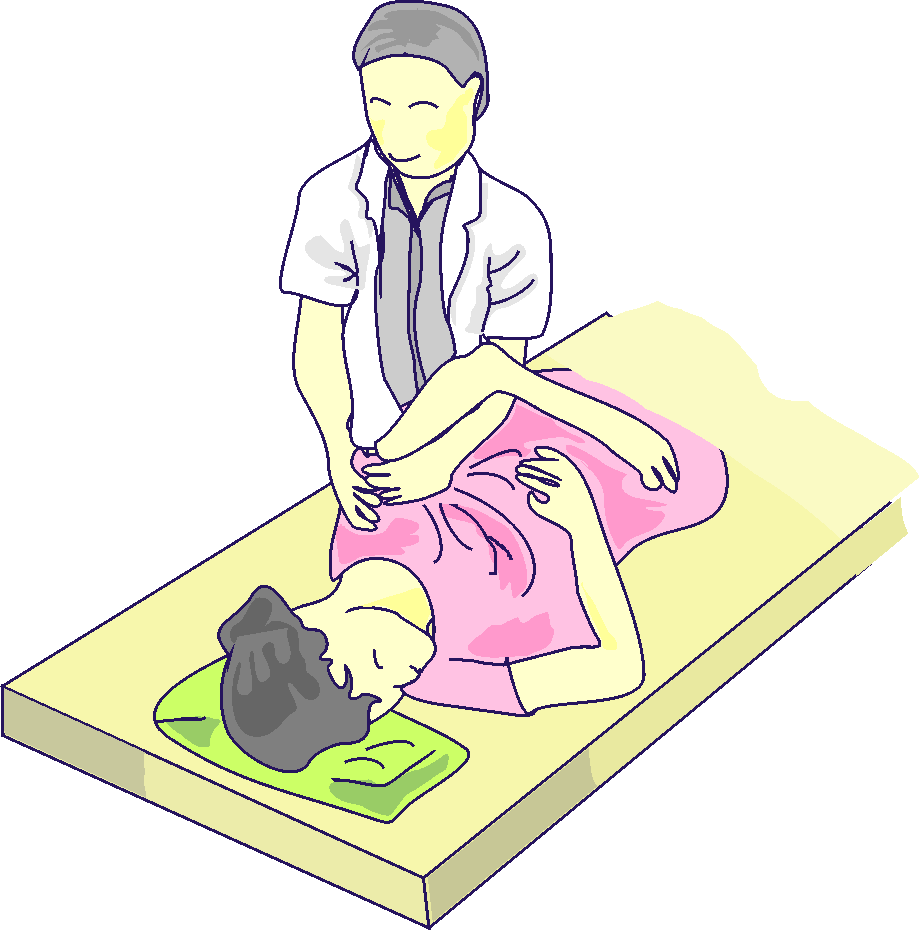
The physiotherapist gently moves the shoulder using specialised manual techniques. The intensity and type of mobilisation are chosen according to the stage of the condition so that inflammation is not aggravated. Systematic reviews support joint mobilisation (including end-range techniques when appropriate) for improving pain, function, and range of motion in adhesive capsulitis4 5.
4. Home Exercise: Rope and Pulley System
Simple rope and pulley arrangements can be set up at home (often attached to a door or window). When used correctly and within comfortable limits, they can support flexibility of the shoulder joint. Guidance from a physiotherapist is recommended before starting.
5. Regaining Range of Motion: The Shoulder Wheel
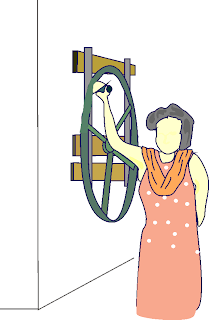
The shoulder wheel is useful physiotherapy equipment for frozen shoulder and is available in many physiotherapy centres. It can help regain range of motion of a stiff shoulder when used appropriately for the stage of recovery.
Shoulder home exercise chart PDF
I strongly suggest you also download the shoulder pain home exercise chart with the exercises from this post and other useful exercises. The exercises are shown in clear pictures that anyone can learn and perform.
Frozen Shoulder Exercises and Home Treatment Tips
Pain and restriction of movement are interlinked. To reduce pain in the longer term, restricted movement needs to be addressed carefully and progressively. The exercise links above (by stage) are a good starting point; the resources below gather them in one place for easy reference. Exercise-based programmes, with or without joint mobilisation, are associated with improvements in pain, function, and range of motion4.
- 5 frozen shoulder exercises for quick relief
- Frozen shoulder stretching exercises
- 4 Easy Shoulder Wand Exercises for Painful, Stiff Shoulder
- Shoulder stiffness stretches and exercises
Exercises are important; however, you may sometimes feel increased pain after a session. Mild temporary discomfort can be normal, but sharp or lasting pain means you should ease back and check with your physiotherapist. Match exercise intensity to your current stage (especially avoid forcing range during the freezing phase).
Let me share some practical tips and products that may help with comfort and recovery support.
If you have pain, you can apply a pain-relief ointment over the painful area and allow absorption for about 10 minutes. After that, a warm pack (or infrared lamp therapy if available at home) may provide additional comfort. Always follow product instructions and stop if irritation occurs.
Here are two products I often discuss with patients in clinic. They are plant/herb-based formulations; individual response varies, and they are not a substitute for professional assessment or prescribed treatment.
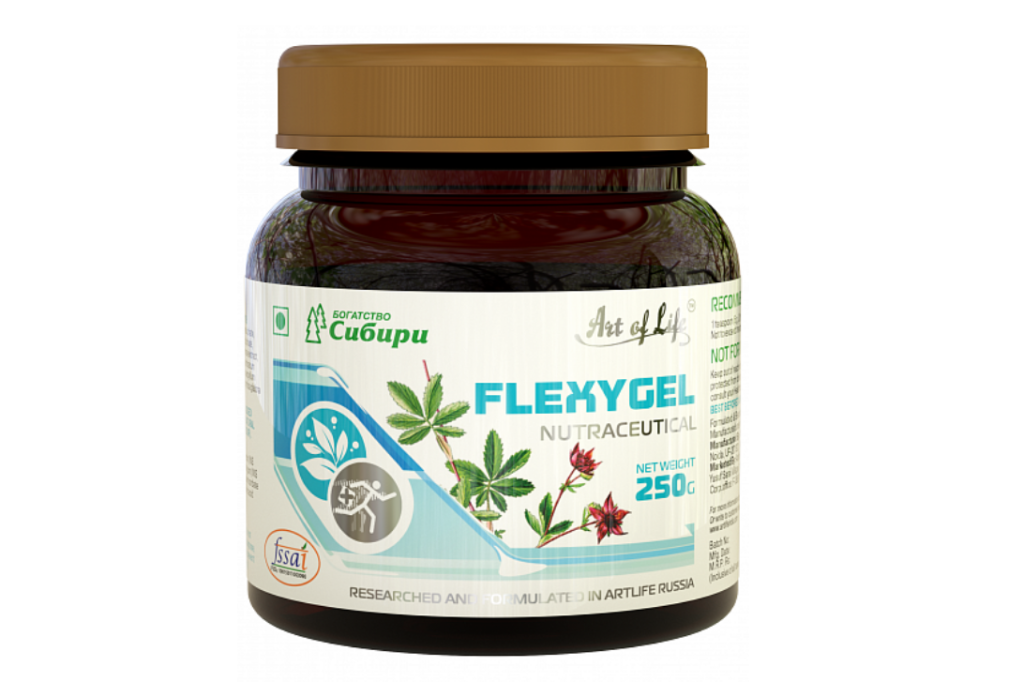
FLEXYGEL
This gel is prepared using nanotechnology. Typical suggested use is twice daily after food: mix one tablespoon with half a glass of warm water and drink. It is sugar-free. Discuss suitability with your clinician if you have diabetes or other medical conditions.
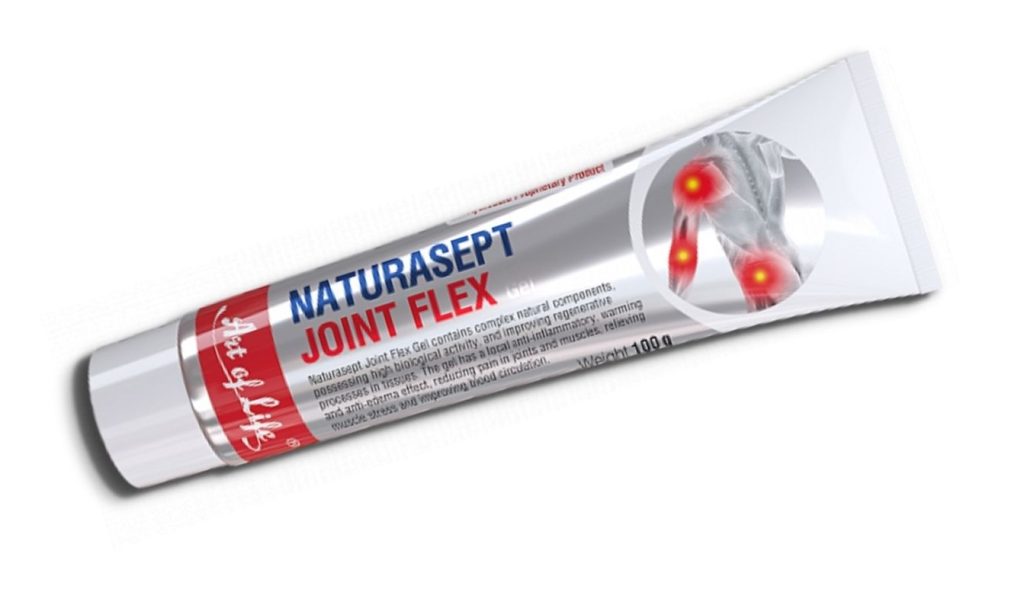
JOINT FLEX OINTMENT
This is a topical pain balm I sometimes recommend in clinic for symptomatic relief. Results vary; use as directed and stop if skin irritation occurs.
Lifestyle modification
Emerging perspectives2 encourage looking beyond stretching and short-term anti-inflammatories alone.
- About NSAIDs (e.g., Ibuprofen): They can reduce pain in the short term. Some researchers caution that prolonged or poorly timed use might interfere with natural inflammatory healing processes in certain contexts; this is still debated and should be discussed with your doctor rather than stopped on your own. A 2024 network meta-analysis also found limited benefit of oral NSAIDs alone versus physical therapy for early-stage frozen shoulder3.
- A broader supportive approach
The aim is to support recovery of the joint while also addressing factors that may sustain inflammation or fear of movement.- Physio that includes education: Treatment should not only stretch the joint but also help the person understand that carefully guided movement is not inherently dangerous.
- Lifestyle support:
- Anti-inflammatory style diet: Omega-3 sources, antioxidants, and reducing highly processed foods may help calm systemic inflammation for some people.
- Gut and overall health: Supporting general health (including gut comfort where relevant) is a sensible complementary step; strong causal claims remain under study.
- Stress management: Meditation, mindfulness, and breathing exercises can lower stress hormones that influence inflammation and pain perception.
- Quality sleep: Poor sleep can worsen pain and inflammation. Supporting consistent, restorative sleep (see our sleep calculator) is useful for overall recovery.
- Sudden severe shoulder pain after injury or fall
- Significant swelling, redness, warmth, or fever (possible infection)
- Unexplained weight loss, night sweats, or history of cancer
- Neurological symptoms (numbness, progressive weakness, or changes in the arm/hand beyond typical frozen-shoulder patterns)
- Pain or stiffness that is rapidly worsening or not improving with appropriate care
- Difficulty breathing or chest pain (rule out non-musculoskeletal causes)
When to see a doctor or physiotherapist (red flags)
Seek prompt professional assessment if you have any of the following:
A clinician can confirm the diagnosis, exclude other conditions (such as rotator cuff tears, arthritis, or referred pain), and guide stage-appropriate treatment, which may include physiotherapy, medication, injection, or further investigation.
Medical disclaimer
This article is for educational purposes only and does not replace personalised medical advice, diagnosis, or treatment. Frozen shoulder presentation and response to treatment vary. Always consult a qualified physiotherapist or doctor before starting exercises or products, especially if you have diabetes, thyroid disease, recent injury, or other health conditions. Product recommendations reflect clinical experience and are not guarantees of results.

The author is a physiotherapist who has been practising for the last 17 years. He holds a Bachelor's in Physiotherapy (BPT) from SVNIRTAR (Swami Vivekananda National Institute of Rehabilitation and Research), one of the prestigious physiotherapy schools in India.
Whatever he learns dealing with his patient, he shares it with the world through blogs and e-books. He also owns a YouTube channel, "Sunit Physiotherapist" with over 8 lakh active subscribers. Here, he shares everything he gets to learn serving the patient.





Pingback: Best Exercise for Shoulders Related Issues - Physiosunit
Pingback: 5 Frozen Shoulder Exercises for Quick Relief - Physiosunit
Pingback: What's Infrared in Physiotherapy, When & How to Use : Physiosunit
Pingback: Shoulder pain at night: Tips that actually work : Physiosunit
Thnx
Atmosphere and environment of classroom is very important tool to enhance the students learning. Furniture in the classroom should be comfortable and it should look nice so that students pay their full attention on studies and ukessayservice.biz here is there to help.
Hi Max,
Yes you are absolutely true. women here have to work hard and in turn some of them suffer from frozen shoulder. But there is also a scientific fact that females are more pron to frozen shoulder than male. if we believe scientific data, than female is to male ratio is 3:1.
It is true that most of the time, the women of Asia specially are suffering from that problem because they live a very hard life as doing something all the day for the family and in the end have to get the services of physiotherapist to get rid of pains and inflammation.
Thanks Max
Amazing post.