
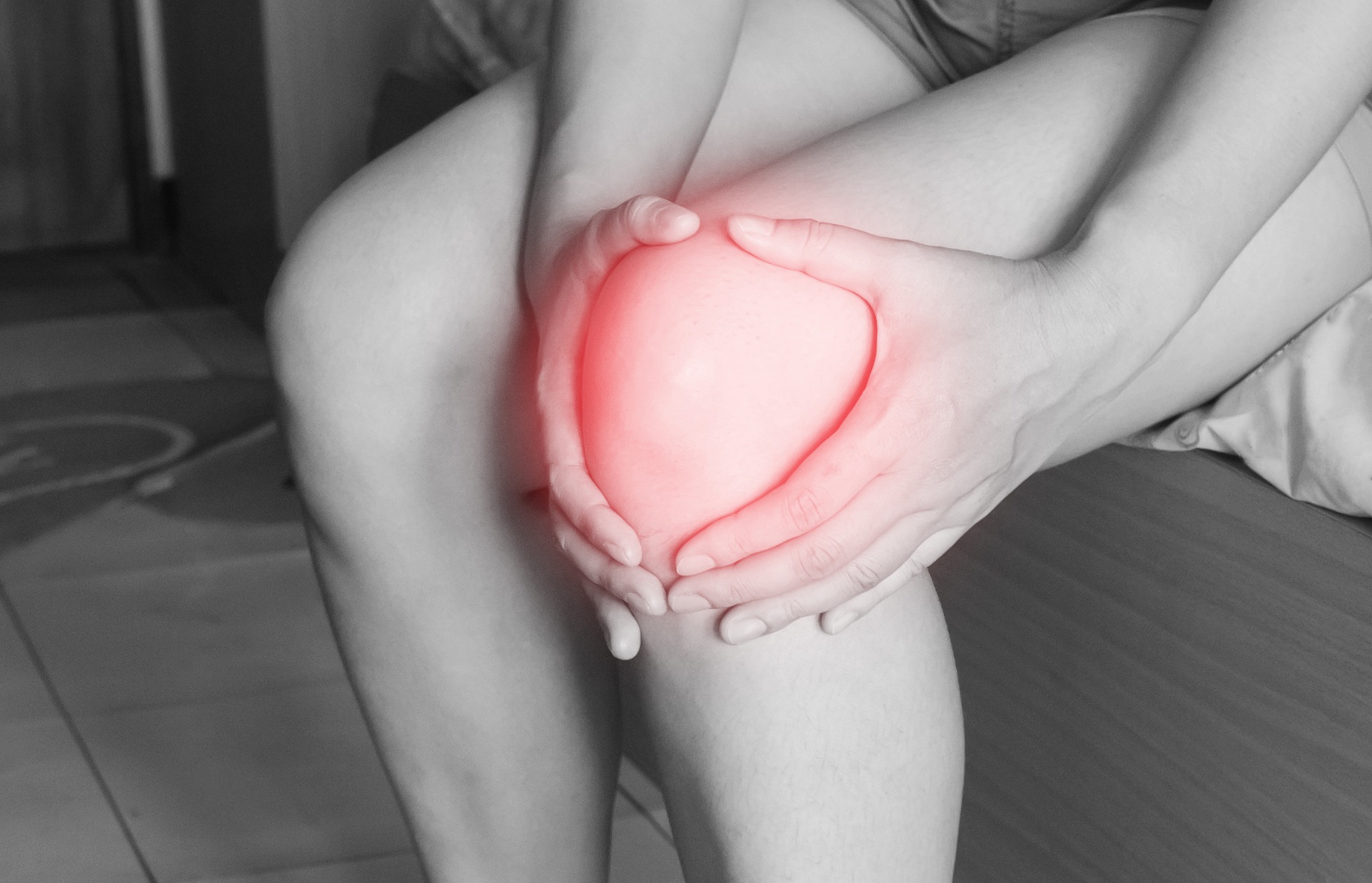
Which is worse, rheumatoid arthritis or osteoarthritis?
Both rheumatoid arthritis and osteoarthritis cause joint pain but are still different. Arthritis, a common term in osteoarthritis and rheumatoid arthritis, is a broad term to describe joint pain. There are more types of arthritis than we commonly know.
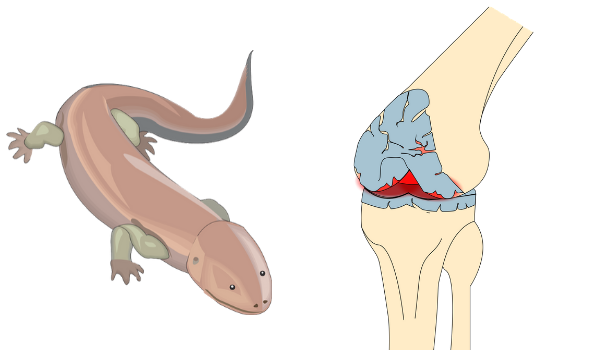
There are over 100 types of arthritis, such as osteoarthritis, rheumatoid arthritis, gout, ankylosing spondylitis, systemic lupus erythematosus, osteochondritis dissecans.
Among all arthritis, rheumatoid arthritis and osteoarthritis are the most common. This article will try to understand the difference between rheumatoid arthritis and osteoarthritis.
We will also discuss the signs and symptoms that differentiate them, how they are diagnosed according to current guidelines, and whether one is truly “worse” than the other.
Rheumatoid arthritis and osteoarthritis
Arthritis is a term that refers to any painful inflammatory joint condition. The term “arthritis” is a combination of two terms, “arthro”, which means joint and “itis”, which means inflammation. This condition can affect any small or large joint, movable or immovable.
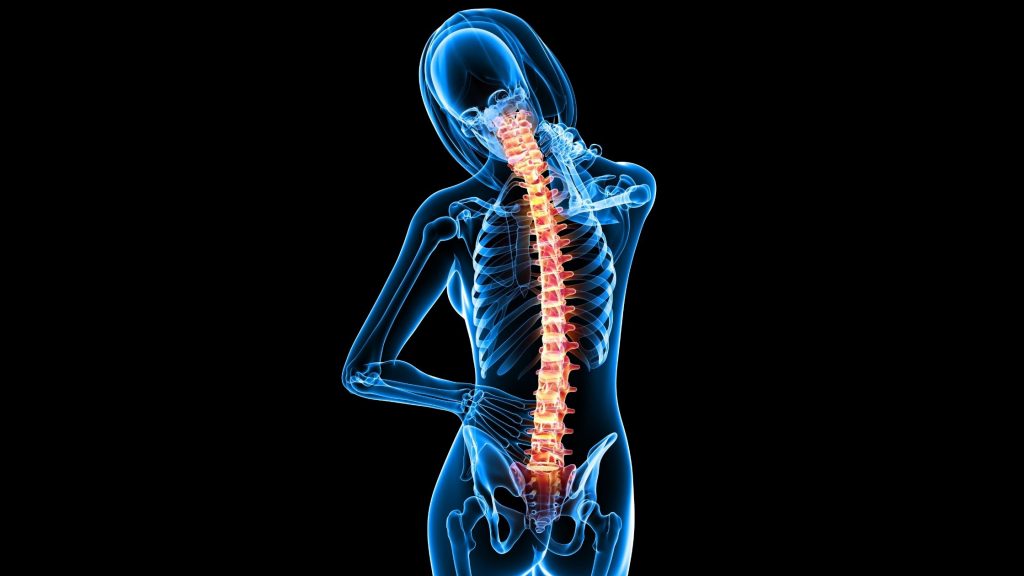
The knee and hips are large joints that can be affected by arthritis, while the joints of fingers, toes, and even intervertebral facet joints are examples of minor joints.
Arthritis can also affect immovable joints such as sacroiliac joints around the lower back and rib cage joints. Rheumatoid arthritis (RA) and osteoarthritis (OA) are two common types of arthritis that affect millions of people worldwide.
While both conditions share some similarities, their causes, symptoms, and treatment differ. Importantly, it is possible for a person to have both RA and OA at the same time.
1) RA vs OA
Osteoarthritis (OA) is a degenerative disease
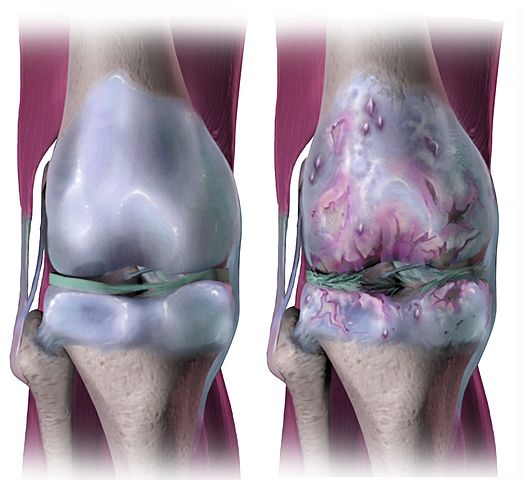
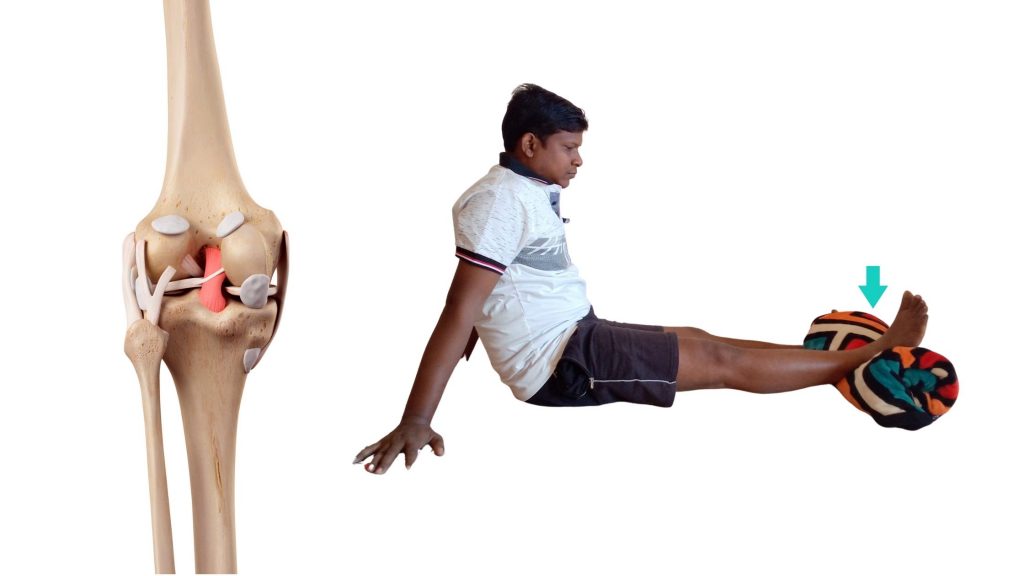
Osteoarthritis is a condition that can damage your joints over time. If you have osteoarthritis in your knee joints, the damage in your knees can increase as you age. We call it a progressive disease.
This condition is primarily related to mechanical wear and tear rather than a systemic autoimmune process. Knee osteoarthritis is often linked to repetitive pressure or stress on the knee joint.
For example, individuals who frequently engage in activities requiring getting up from a seated position, standing up repeatedly, or sitting in a squatting or crossed-leg position may be at a higher risk of developing knee osteoarthritis.
There are many other reasons why people can develop arthritis in their knees – it is more common with advancing age, and people who are overweight are also at higher risk. While it is commonly associated with the knees, it can also impact other joints, including the hips and small joints like the thumb.
In fact, finger arthritis is often caused by professions that involve continuously applying pressure through the thumb, such as carpentry, sewing, and typing1.
Rheumatoid arthritis (RA) is an autoimmune disease
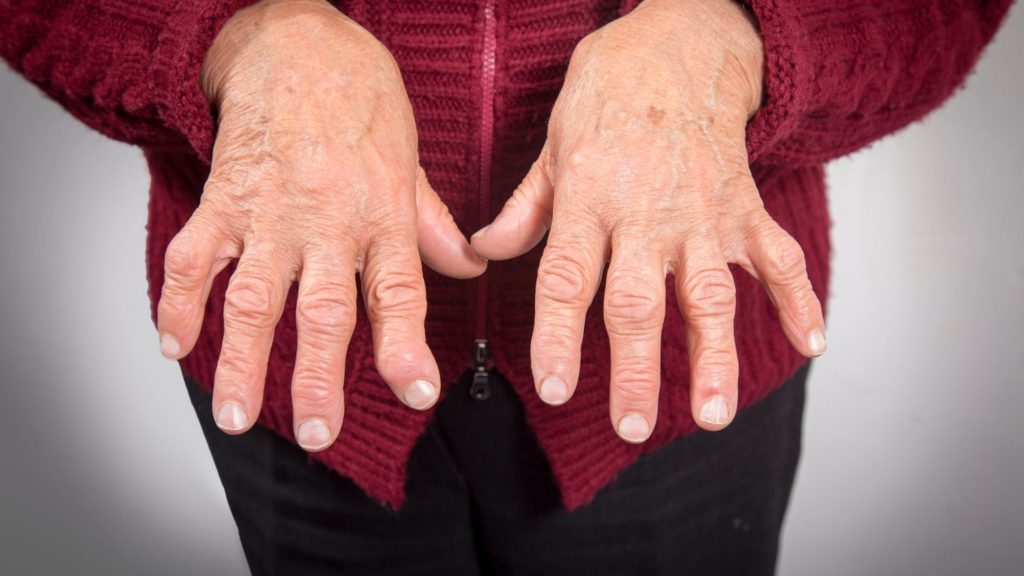
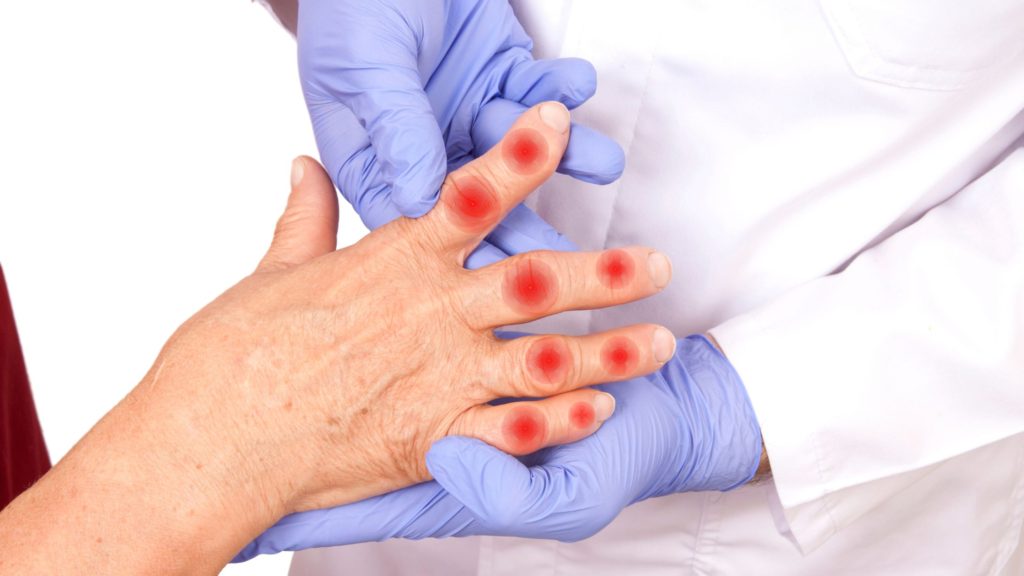
Rheumatoid arthritis is a systemic autoimmune disease that typically affects multiple joints, often in a symmetrical pattern.
Unlike osteoarthritis, which is driven mainly by mechanical factors, rheumatoid arthritis occurs when the immune system attacks the synovium (the lining of the joints), causing inflammation, pain, and potential joint damage.
RA most commonly begins in the small joints of the hands and feet (such as the metacarpophalangeal and proximal interphalangeal joints). Larger joints such as the knees, hips, and shoulders can also be involved, especially as the disease progresses.
Because it is a systemic disease, RA can affect organs beyond the joints, including the lungs, heart, eyes, and blood vessels in some people.
Also Read: Newly Discovered Gut Bacteria May be Culprit Behind Rheumatoid Arthritis
2) RA vs OA based on its causes
Causes of OA
We cannot point out a single cause of osteoarthritis. Several factors increase risk, and they often act together:
- Age: Risk rises with age, although OA is not an inevitable part of normal ageing.
- Repetitive joint stress: Occupations or activities involving frequent knee bending, heavy lifting, or prolonged standing can contribute.
- Obesity: Excess body weight increases load on weight-bearing joints and is a well-established modifiable risk factor.
- Previous joint injury or surgery, and certain alignment issues (such as bow legs).
Cause of RA
The exact cause of RA remains unknown. Current understanding points to a combination of genetic predisposition (including HLA-DRB1 alleles) and environmental triggers such as smoking, infections, and gut microbiome changes. Autoantibodies including rheumatoid factor (RF) and anti-citrullinated protein antibodies (ACPA/anti-CCP) are found in many, but not all, people with RA.
3) How are RA and OA diagnosed? (Current guidelines)
Accurate diagnosis is essential because the treatments differ significantly.
Diagnosing osteoarthritis
According to the NICE guideline (NG226, 2022)3, osteoarthritis can usually be diagnosed clinically without imaging in adults aged 45 or over who have:
- Activity-related joint pain, and
- Either no morning stiffness or morning stiffness lasting no longer than 30 minutes.
Imaging (X-ray or MRI) is not routinely required unless symptoms are atypical or another diagnosis is suspected.
Diagnosing rheumatoid arthritis
There are no formal diagnostic criteria for RA. In clinical practice, rheumatologists use the 2010 ACR/EULAR classification criteria2 to support early identification. These criteria assign points based on:
- Joint involvement (number and size of joints)
- Serology (RF and/or ACPA)
- Acute-phase reactants (ESR or CRP)
- Symptom duration (≥6 weeks)
A score of 6 or higher classifies a person as having definite RA. Early referral to a rheumatologist is strongly recommended because early treatment improves long-term outcomes (the “window of opportunity”).
4) Osteoarthritis vs Rheumatoid arthritis based on clinical features
Here is a comparative overview of key clinical features:
| Feature | Osteoarthritis (OA) | Rheumatoid Arthritis (RA) |
| Morning stiffness | Usually < 30 minutes | Often > 60 minutes |
| Typical joints | Weight-bearing (knees, hips), hands (DIP, CMC) | Small joints of hands/feet (MCP, PIP, MTP), wrists; can become polyarticular |
| Pattern | Often asymmetric | Typically symmetric |
| Systemic features | Rare | Fatigue, low-grade fever, possible organ involvement |
| Blood tests | Usually normal inflammatory markers | Often raised ESR/CRP; RF and/or ACPA positive in many cases |
Clinical features of osteoarthritis
- Joint pain that worsens with activity and improves with rest
- Joint stiffness (usually short-lasting in the morning)
- Crepitus (grating or crackling sensation on movement)
- Bony enlargement around the joints
- Reduced range of motion over time
Clinical features of rheumatoid arthritis
- Often starts in the small joints of the hands and feet
- Symmetrical joint involvement
- Prolonged morning stiffness (frequently lasting more than an hour)
- Soft-tissue swelling and warmth of affected joints
- Rheumatoid nodules in some people
- Possible extra-articular involvement (lungs, heart, eyes, etc.)
5) RA vs OA based on treatment
The goals of treatment differ. For OA the focus is symptom control and function; for RA the priority is early disease control to prevent irreversible joint damage.
How is osteoarthritis managed?
Current NICE and international guidance emphasise non-pharmacological measures as first-line3:
- Therapeutic exercise (strengthening and aerobic)
- Weight management when appropriate
- Education and self-management support
Exercises depend on the affected joint; if you have knee OA, follow knee osteoarthritis exercises; for hip OA, see exercises for hip osteoarthritis.
Pharmacological options (topical or oral NSAIDs, short-term analgesics) are used mainly to support exercise. Joint replacement (e.g., Total Knee Replacement) is considered when symptoms remain severe despite optimal conservative care.
What are the available treatment options for rheumatoid arthritis?
Modern RA management follows a treat-to-target strategy recommended by both ACR and EULAR45. Key principles include:
- Early initiation of disease-modifying antirheumatic drugs (DMARDs), with methotrexate as the usual anchor drug
- Addition of biologics or targeted synthetic DMARDs (e.g., JAK inhibitors) if the target is not reached
- Short-term glucocorticoids for bridging or flares
- Regular monitoring of disease activity and safety
Physiotherapy remains important to maintain joint mobility and muscle strength. A recent study discusses the potential of hydrogel injections for rheumatoid arthritis joint pain.
Regular physiotherapy together with biologics for inflammatory arthritis and conventional DMARDs can substantially improve outcomes, although these medicines carry risks that require careful monitoring.
Which is worse, rheumatoid arthritis or osteoarthritis?
I will share my take based on 20+ years of experience as a physical therapist. I get to deal with both rheumatoid arthritis sufferers and osteoarthritis sufferers. Alhtough, number of OA sufferers far exceeds the number of RA sufferers, which can be attributed to the nature of the disease.
I have seen people with rheumatoid arthritis suffer more than those with osteoarthritis.
I have a wonderful lady as my patient with RA. She was first diagnosed with RA at the age of 15. Now that she is 40+, she is bedridden. All her spine joints and almost all the joints of her limbs, including the small joints of her fingers and toes, are fused.
Fortunately, she is able to eat meals by herself because of the little range she has in her elbow joint. Every winter she has to go through the terrible pain.
In contrast to this, my patient with OA has a much more independent life overall. They are in pain but can perform their daily living activities. In a worst-case scenario, knee osteoarthritis, for example, if they go for knee replacement surgery, their quality of life improves a lot, which is not the case for rheumatoid arthritis sufferers.
Here, I would like to remind you that not all RA cases leave people bedridden, but given their condition of multiple joint involvement, I find their quality of life is much affected.
So, which is worse, RA or OA?
For me, it is rheumatoid arthritis.
Keep Reading: New arthritis drug that may help stop bone degeneration
Frequently Asked Questions (FAQ) About Rheumatoid Arthritis and Osteoarthritis

The author is a physiotherapist who has been practising for the last 17 years. He holds a Bachelor's in Physiotherapy (BPT) from SVNIRTAR (Swami Vivekananda National Institute of Rehabilitation and Research), one of the prestigious physiotherapy schools in India.
Whatever he learns dealing with his patient, he shares it with the world through blogs and e-books. He also owns a YouTube channel, "Sunit Physiotherapist" with over 8 lakh active subscribers. Here, he shares everything he gets to learn serving the patient.



Pingback: 9 Pictures of the Gout: Symptoms, Food to avoid, other tips - Physiosunit
Hello there Every Buddy! Have you elder folks gone to check out PanGlobalMedicalSupplies.com?
They carry Bathroom Safety Equipment for Seniors,
Fall Prevention for the Elderly, Specialty Wheelchairs and Accessories for people with disabilities and a
lot more. A 1-stop online shop for seniors. Check it out.
You’ll be glad you did.